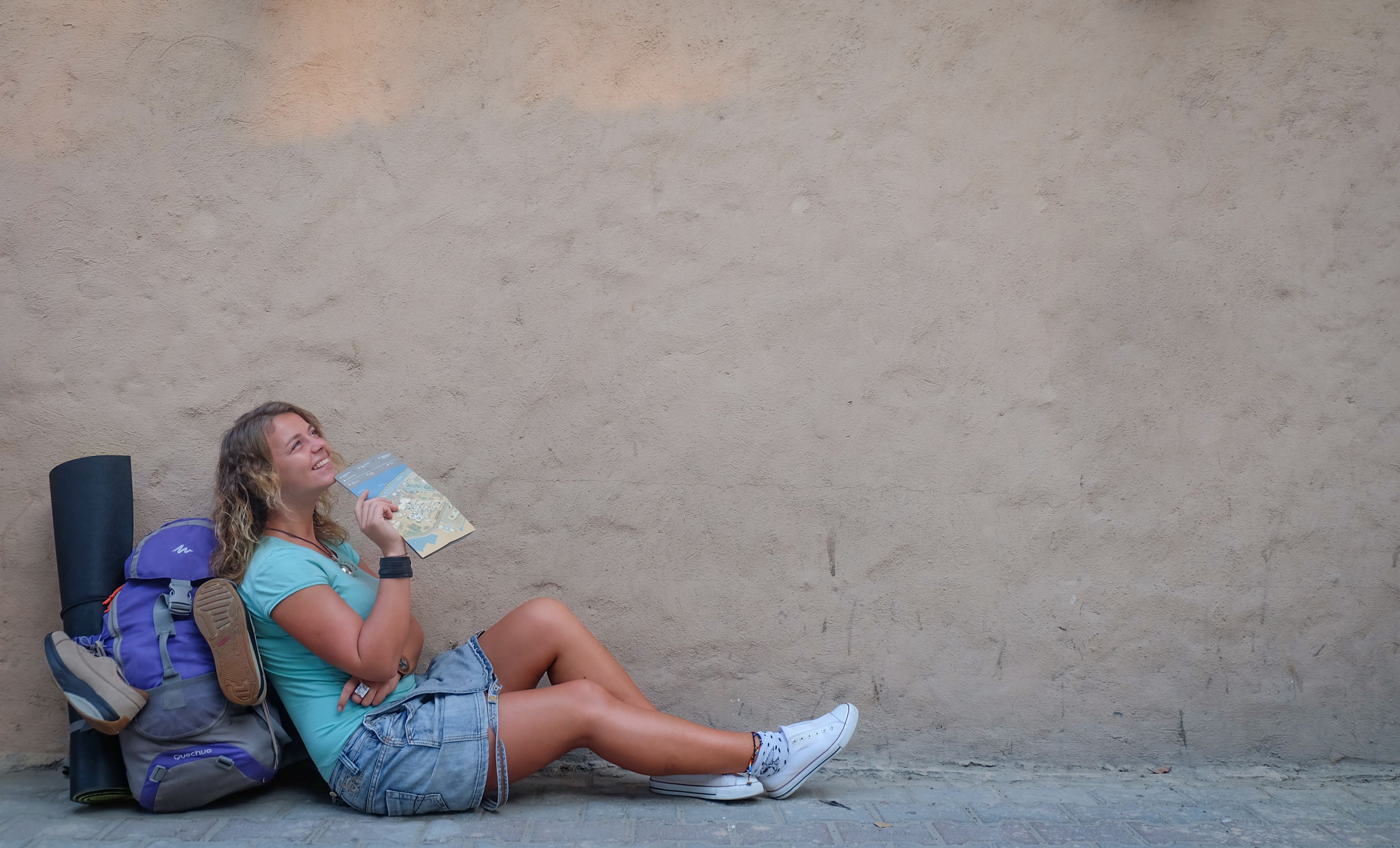
How do you travel alone without relying on travel websites for guidance?
How to Explore a New City Without Relling on Travel Websites for Guidance
Traveling solo often comes with a dilemma: should you rely on detailed maps and pre-planned itineraries, or embrace spontaneity and discover a city on your own? This article explores practical strategies for exploring a destination without depending on travel websites, while reducing anxiety and building confidence in independent travel.
Understanding the hesitation
Many solo travelers feel unsettled without a blueprint. A familiar map with marked attractions can create a sense of security, but it can also limit serendipity and authentic experiences. The challenge is balancing a light framework with room for improvisation, especially in unfamiliar urban environments where signs and neighborhoods can be overwhelming.
Before you set foot in a city
– Clarify your boundaries: Decide how flexible you want to be. Do you want to discover neighborhoods, food scenes, parks, or cultural experiences?
– Establish a lightweight framework: Rather than a fixed itinerary, create a few broad categories you’re curious about (e.g., neighborhoods to walk through, a few local eateries to try, a park for sunset views).
– Gather low-friction resources: Bring a printable map or offline-friendly notes for orientation, plus a few reliable sources you trust for safety and accessibility, but avoid overloading yourself with options.
Starting your solo exploration
– Begin with curiosity, not a checklist: Choose one area or neighborhood to wander, letting sights and interactions guide you rather than a strict plan.
– Use daily rhythms to guide choices: Observe how locals move through the city at different times of day—morning markets, lunch crowds, evening promenade—and follow those rhythms.
– Develop a loose route, not a rigid one: Identify a few anchor points (a square, a riverfront, a market) and let the path between them unfold organically.
– Practice “island hopping” within a district: Stop in 2–3 spots per area—a cafe, a gallery, a viewpoint—and move when you feel like it rather than after a set time.
– Leave room for spontaneous discoveries: If a street musician, an alleyway gallery, or a hidden courtyard catches your eye, linger and explore.
Practical techniques to reduce anxiety
– Use a “trust the moment” approach: When you feel uncertainty rising, pause, observe, and choose based on curiosity rather than fear.
– Set micro-goals: Aim to experience a type of place (food, art, nature) rather than a specific destination.
– Create a safety plan: Share your rough route with a friend, carry essential contact information, and stay in well-trafficked areas if you’re uncomfortable after dark.
– Embrace mistakes as part of the process: Getting lost is often where memorable discoveries happen; view detours as opportunities.
Engaging with locals
– Ask open-ended questions: “What’s a place you love in this area?” or “What’s your favorite neighborhood for a weekend stroll?”
– Join short, informal experiences: Look for community events, street markets, or casual walking tours led by residents rather than polished tour operators.
– Observe daily life: Notice where people gather, how locals commute, and which storefronts stay busy—these cues reveal authentic city corners.
Balancing safety and spontaneity
– Stay aware of your surroundings: Keep valuables secure and be mindful of cultural norms.
– Trust reputable, human-scaled experiences: Small, local-run activities often offer more genuine insight than widely advertised attractions.
– Have a fallback plan: In case you want structure later, know a couple of easy-to-find, low-effort options (a well-reviewed cafe, a park, a transit hub) to anchor your day.
When to lean on maps and when to let go
– Maps can be useful for orientation and safety in unfamiliar terrain, especially in large cities with complex layouts.
– Letting go of a fixed plan can unlock authentic moments, spontaneous encounters, and a deeper sense of place.
– The key is practice: gradually increase your tolerance for uncertainty by starting with short, local explorations before attempting longer city-wide adventures.
If you’re seeking a calmer, more intuitive form of travel, these strategies can help you balance preparedness with freedom. By cultivating a flexible mindset and adopting simple, low-pressure routines, you can experience the vitality of a city through your own footsteps and curiosity—without over-relying on travel websites for guidance.