Two weeks solo in China report (Beijing – Xi’an – Shanghai)
Two Weeks Exploring China solo: Beijing, Xi’an, and Shanghai — A Practical, First-Hand Travelogue
Overview
I spent two weeks traveling solo through China in October, covering Beijing, Xi’an, and Shanghai. This post shares practical tips, hotel recommendations, and personal impressions to help future travelers plan a smoother trip.
Practical observations and tips
– eSIM and connectivity: I used an eSIM from Trip.com instead of buying a Chinese SIM. All my non-Chinese apps worked without a VPN, and there wasn’t much need for a local number for most activities. Some services (like certain food deliveries) may require a local number, but I didn’t encounter those situations.
– Booking and planning: Trip.com proved incredibly convenient for booking hotels, trains, and many attractions, with a clean English app. It’s a solid central hub for planning.
– Hotels: I stayed at Chinese chain properties (Atour and Ji). A quick tip: prioritize newer or recently renovated properties; older hotels tend to show their age more visibly. Cross-check locations when booking.
– Language and translation: English isn’t widely spoken, so translation tools are essential. I relied on Google Translate, and I found ChatGPT surprisingly useful for deciphering signs, menus, and local information.
– Mobile payments and apps: Alipay is the dominant payment and QR code tool for most transactions, including rides and in-app features. Set up Alipay as a home screen shortcut and expect to use it frequently. Its built-in translation feature helps with minor language hurdles. Some businesses still accept WeChat, so having that as a backup is wise.
– Maps: For navigation, I leaned on AMap. Google Maps is largely ineffective in China, while Apple Maps performed surprisingly well on occasions.
– Cash usage: I carried cash, but cash was rarely needed since most vendors favored Alipay.
Beijing (5 nights)
– Where I stayed: An Atour property in the Gulou hutong, which offered an excellent balance of local atmosphere and convenient access to major sights.
– Vibe and impressions: The city felt a blend of old and new with Soviet-era blocks and occasional Russian signage, creating an intriguing historical mix amid modern bustle.
– Sights and experiences: The Forbidden City, Beihai Park, and Lama Temple were standout stops. I also found the 798 Art Zone worth a visit for its sheer scale, though the contemporary art scene there felt somewhat hollowed out.
– Notable skip: Mao’s Mausoleum didn’t work smoothly with the booking system for foreigners, so I postponed it.
– Food highlights: Quick-blanched tripe, pork offal soups, and durian nougat stood out.
– The Great Wall: A miss due to hazy weather limiting visibility on the day I booked.
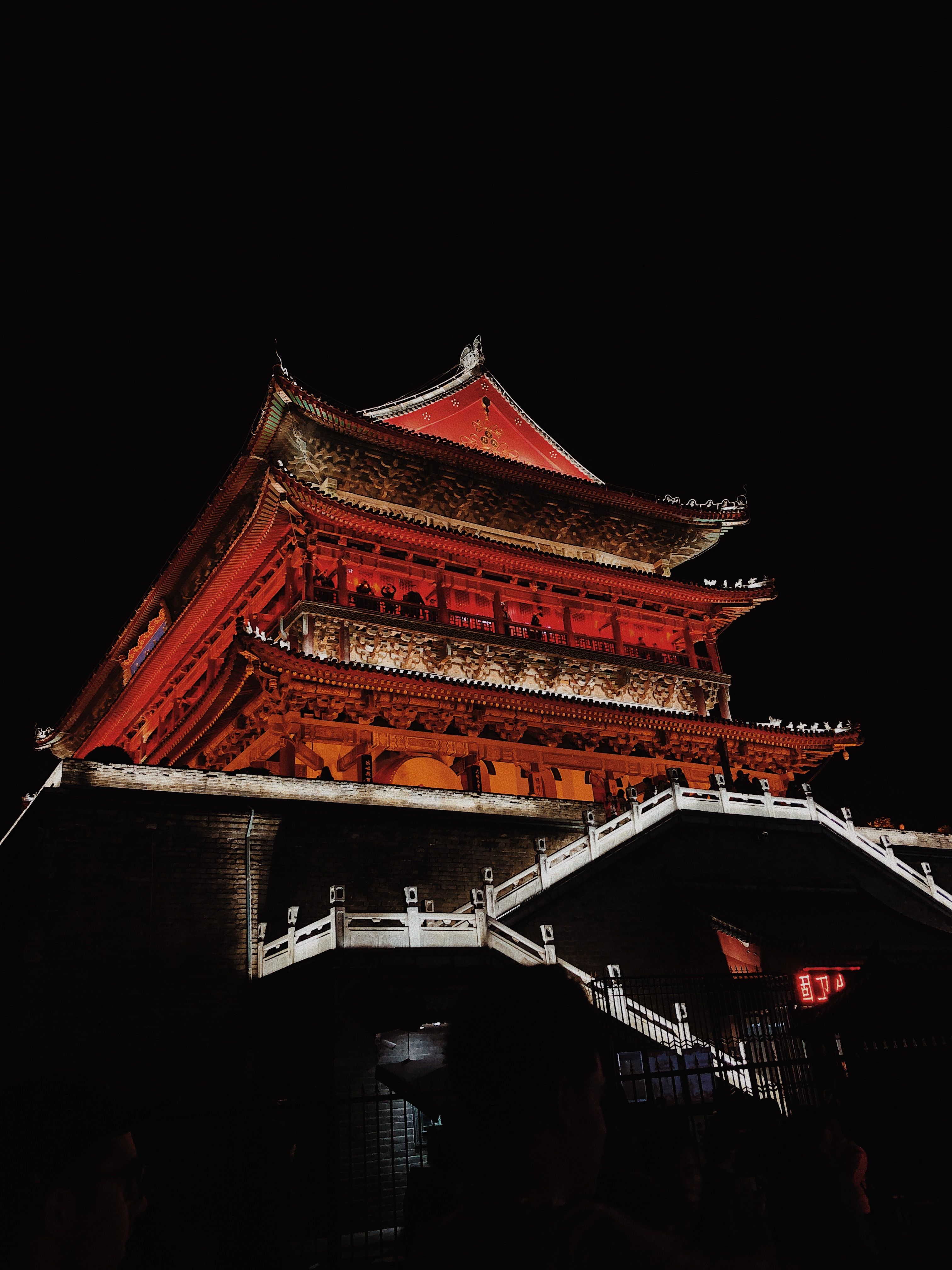
Xi’an (4 nights)
– Where I stayed: An Atour near the South Gate, which offered a surprisingly luxurious experience at a reasonable price.
– Vibe and impressions: Xi’an felt like a “New Tier 1” city—more relaxed, regional in character, and generally cheaper than Beijing or Shanghai.
– Highlights:
– Terracotta Warriors: Worth the trip.
– Lishan Park: Nearby, with a delightful walking route along the ruins and fewer crowds if you explore on foot.
– Datang Everbright City: A quirky, expansive strip mall featuring street food, performances, and views of the historic pagoda.
– A luxurious spa afternoon: For a high-end experience at a surprisingly accessible price.
– Other notable sites: Muslim Quarter, Great Mosque of Xi’an, Temple of Eight Immortals, and a bike ride along the city walls.
– Food highlights: Biang Biang noodles, pork dumplings, and flatbread lamb soup.
Shanghai (5 nights)
– Where I stayed: A Ji Hotel in Xintiandi, which offered excellent central access but was near a noisy highway.
– Vibe and impressions: Shanghai stands out for its skyline, colonial architecture, and rapid energy. It’s visually stunning but offers fewer “must-see” tourist blocks, so building your own rhythm is key.
– Highlights:
– Shanghai Museum East, Propaganda Poster Museum, Shanghai Tower observation deck, Jade Buddha Temple.
– A day trip to Suzhou: The city is larger than expected; I wandered through a famous garden and nearby streets. Note that the Suzhou Museum requires advance booking and can book up quickly.
– Tianshan Tea City: A lively tea market where bargaining adds to the experience.
– Food highlights: Local crab dishes, Sichuan-style stir-fries, Japanese-inspired bar fare, and Suzhou plum green tea wine.
– Notable miss: 1939 Old Millfun didn’t live up to expectations, despite the concept’s appeal.
Overall reflections
– The trip was an overall success, with more milk tea than is prudent and a strong inclination to return. If planning again, I’d allocate more time to Beijing (to soak in its abundance of sights) and slightly less to Shanghai, while still enjoying the city’s unique energy.
– Practical balance: A plan with four days in Shanghai and six in Beijing might provide a more evenly distributed rhythm of experiences, given Beijing’s concentration of sights.
Would I recommend this route?
Yes. The Beijing–Xi’an–Shanghai loop offers a mix of history, culture, modernity, and varied urban textures that suit a wide range of travelers. With thoughtful planning—especially around accommodation choices, translation tools, and mobile payments—solo trips through these cities can be deeply rewarding and smoothly navigable.