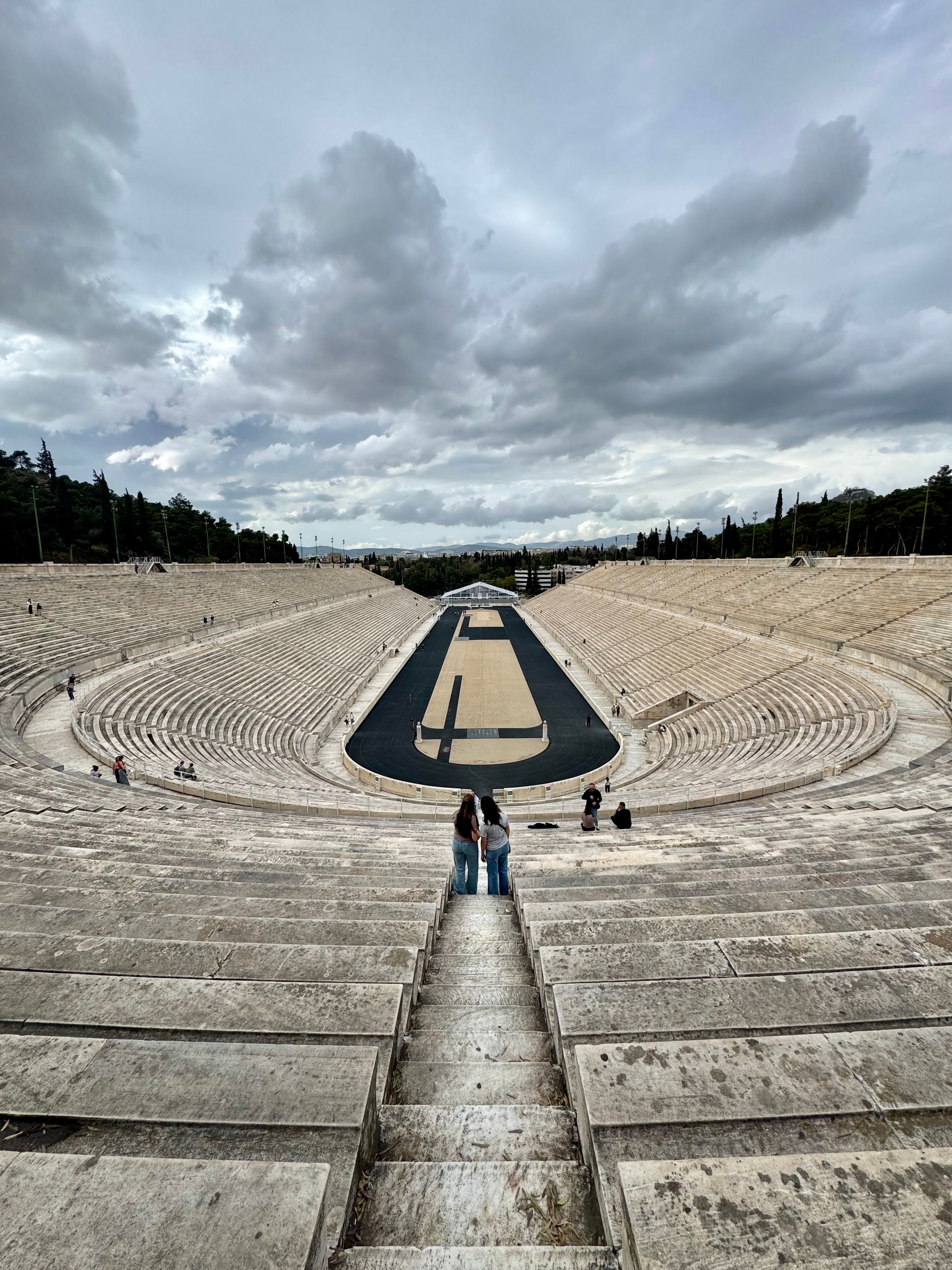
What would you do with 1 day in Athens and 2 days in Rome?
What to Do in Athens (1 Day) and Rome (2 Days): A Practical Guide for First-Time International Travelers
Planning a honeymoon with a tight schedule that spans two iconic European capitals can be exciting—and a bit overwhelming if you’re new to international travel. This guide distills practical ideas and tips for a couple from the United States who will first land in Athens, spend a day there, embark on a Mediterranean cruise, disembark in Rome, and then spend two days in the Italian capital before returning home. It covers suggested itineraries that balance history, food, and manageable walking, plus navigation and preparation tips to help first-time international travelers feel confident.
Overview of the trip
– Arrival: Athens (ATH) at 8:00 am
– One day in Athens before boarding a cruise the following day
– Cruise port of call: disembarkation in Rome (Civitavecchia or central Rome cruise port, depending on itinerary)
– Two days in Rome following the cruise
– Flight home: Rome (FCO) the day after your two days in Rome
– Duration: 12 days total (Saturday morning arrival in Athens to Wednesday departure from Rome)
Key considerations for first-time international travelers
– Language: English is widely spoken in tourist areas, but basic knowledge of local phrases in Greek (Athens) and Italian (Rome) is helpful for transportation and casual interactions.
– Navigation: Airports, ports, and hotel districts can be busy. Plan transfers in advance where possible; keep printed confirmations and maps handy.
– Walking and pacing: You mentioned long walks but a preference for moderate activity. Build in rest breaks and plan a few compact, high-reward activities each day.
– Security and travel basics: Keep valuables secure, be mindful of pickpockets in crowded areas, and carry a copy of your passport and travel documents.
Athens: one day of discovery
Priorities
– Acropolis and Acropolis Museum: The ancient citadel and its museum are the centerpiece of Athens’ history. Plan for a morning visit to avoid peak heat and crowds; purchase skip-the-line tickets if available, and allocate 2–3 hours total.
– Historic neighborhoods: A stroll through Plaka or Monastiraki provides a sense of old Athens, with neoclassical architecture, shops, and tavernas.
– Ancient Agora and Roman Agora: If time permits, these adjacent sites offer insight into Athenian civic life.
– Food experiences: Sample a quick Greek lunch or snack—think souvlaki, feta, olives, and baklava. Consider a rooftop or street-side meal with a view of the Acropolis.
Sample Athens 1-day outline (compact, walkable)
– Morning: Arrive, check into hotel (if early luggage storage is available), head to the Acropolis complex early or late afternoon to avoid peak sun. Visit the Parthenon, Propylea, and Erectheion.
– Midday: Acropolis Museum visit (adjacent to the site). Have lunch in the Plaka area—try traditional Greek dishes such as moussaka, souvlaki, or a fresh Greek salad with olives and feta.
– Afternoon: Stroll through the neighborhoods of Plaka and Anafiotika; explore Monastiraki Flea Market area for souvenirs and a coffee break.
– Evening: Optional sunset view from a local rooftop bar or the Areopagus Hill, followed by a casual dinner near Thissio or Psiri.
Rome: two days of ancient wonders and vibrant street life
Priorities
– The Colosseum, Roman Forum, and Palatine Hill: A combined ticket or guided tour helps contextualize the ruins and saves time.
– Vatican City (optional if time allows): If your cruise schedule permits, a half-day or full day to explore St. Peter’s Basilica and the Vatican Museums can be included, but it may be tight with a cruise itinerary.
– Historic Center highlights: Trevi Fountain, Spanish Steps, Pantheon, and Piazza Navona provide a quintessential Roman experience with a mix of history, architecture, and lively streets.
– Food and neighborhoods: Trastevere offers charming lanes and excellent trattorias; Testaccio provides authentic Roman eats.
Sample Rome 2-day outline (efficient but rich)
Day 1 (arrival day in Rome after the cruise)
– Morning: If arriving early, consider a morning visit to the Colosseum, Roman Forum, and Palatine Hill (book a skip-the-line tour or morning entry).
– Midday: Lunch near the ancient center—trying classic Roman dishes like Cacio e Pepe or Amatriciana.
– Afternoon: Walk to the Pantheon, then continue to Trevi Fountain and the Spanish Steps. Enjoy gelato as you wander.
– Evening: Dinner in a lively neighborhood such as Campo de’ Fiori, Trastevere, or Monti. A relaxed stroll along the Tiber or a sunset view from a vantage point has great payoff with minimal effort.
Day 2
– Morning: Visit St. Peter’s Basilica if you’re including Vatican City; otherwise, explore Castel Sant’Angelo and the surrounding area.
– Midday: Lunch in a trattoria or osteria featuring Roman specialties.
– Afternoon: Explore the Borghese Gallery (reserve ahead) and a stroll through Villa Borghese park, or continue with more ancient sites around Piazza Navona and the Capitoline Hill.
– Evening: Final Italian dinner and a leisurely walk to soak in the city’s atmosphere before departure.
Practical tips for navigating Greece and Italy
– Transport and logistics:
– Athens: Taxis and ride-sharing services are available. Public transit (metro, buses) is affordable and reliable for short hops to major sites.
– Rome: The Leonardo Express train from Fiumicino Airport to Termini Station is convenient. From the cruise port (Civitavecchia), rail and shuttle options may be available; private transfers can simplify perishables on a tight schedule.
– Accommodations:
– Athens: Choose a hotel or apartment in central neighborhoods like Plaka, Syntagma, or near the port side to minimize transit time.
– Rome: Central districts such as Centro Storico, near the Pantheon or Trevi Fountain, or close to Termini or Tiburtina for easy airport access.
– Language and phrases:
– Learn a few basic phrases: “Please,” “Thank you,” “Excuse me,” “Do you speak English?” and simple directions. A pocket phrasebook or a translation app is handy.
– Safety and etiquette:
– Keep belongings secure in crowded areas. In churches and museums, follow photography rules and dress codes if applicable.
– Health and comfort:
– Stay hydrated, wear comfortable walking shoes, and use sun protection. Summer heat can be intense, so plan indoor or shaded activities during peak hours.
How much language knowledge is helpful?
– You don’t need to be fluent. Basic greetings, polite phrases, and a few travel-specific questions will go a long way. Consider using a translation app for on-the-spot help, especially in restaurants and for directions.
Flight and airport tips
– Check-in times: Domestic and international flight check-in windows vary by airline; plan to be at the airport well in advance of your departure time.
– Security and boarding: International travel typically requires arriving at the airport 2–3 hours before your flight. Allow extra time for early morning or peak travel periods.
– Luggage: If you’ll be moving between cities and airports, pack light and use carry-on luggage if possible to avoid baggage check delays.
– Documentation: Keep passports, cruise documents, and hotel confirmations accessible. Carry digital copies as backups.
Frequently asked questions you might have
1. One day in Athens: Focus on the Acropolis area in the morning/ahead of heat, followed by a stroll through historic neighborhoods and a Greek meal. A compact, well-paced plan helps you maximize highlights without rushing.
2. Two days in Rome: Prioritize iconic sites with efficient routing. Consider a guided pass or timed-entry tickets to minimize lineups, and balance ancient sites with strolls through charming neighborhoods and Rome’s culinary scene.
3. Travel awareness: Prepare for busy airports and ports, use reliable transfers, and keep a small, secure day bag for essentials. Maintain updated travel documents and be mindful of transit times between locations.
4. Language learning: A few phrases in Greek and Italian, plus a translation app, will boost confidence. You don’t need fluency for this trip.
5. First-time international travel tips: Pack light, confirm all reservations, have digital and physical copies of important documents, and allow extra time for transport and security checks.
6. Airport arrival timing: For international flights, plan to arrive at least 2–3 hours before departure. For connections or cruise transfers, factor in additional time for potential delays.
If you’d like, I can tailor a day-by-day, hour-by-hour plan with specific restaurant recommendations, timed entry tickets, and transit routes based on your exact cruise line, port calls, and hotel preferences.