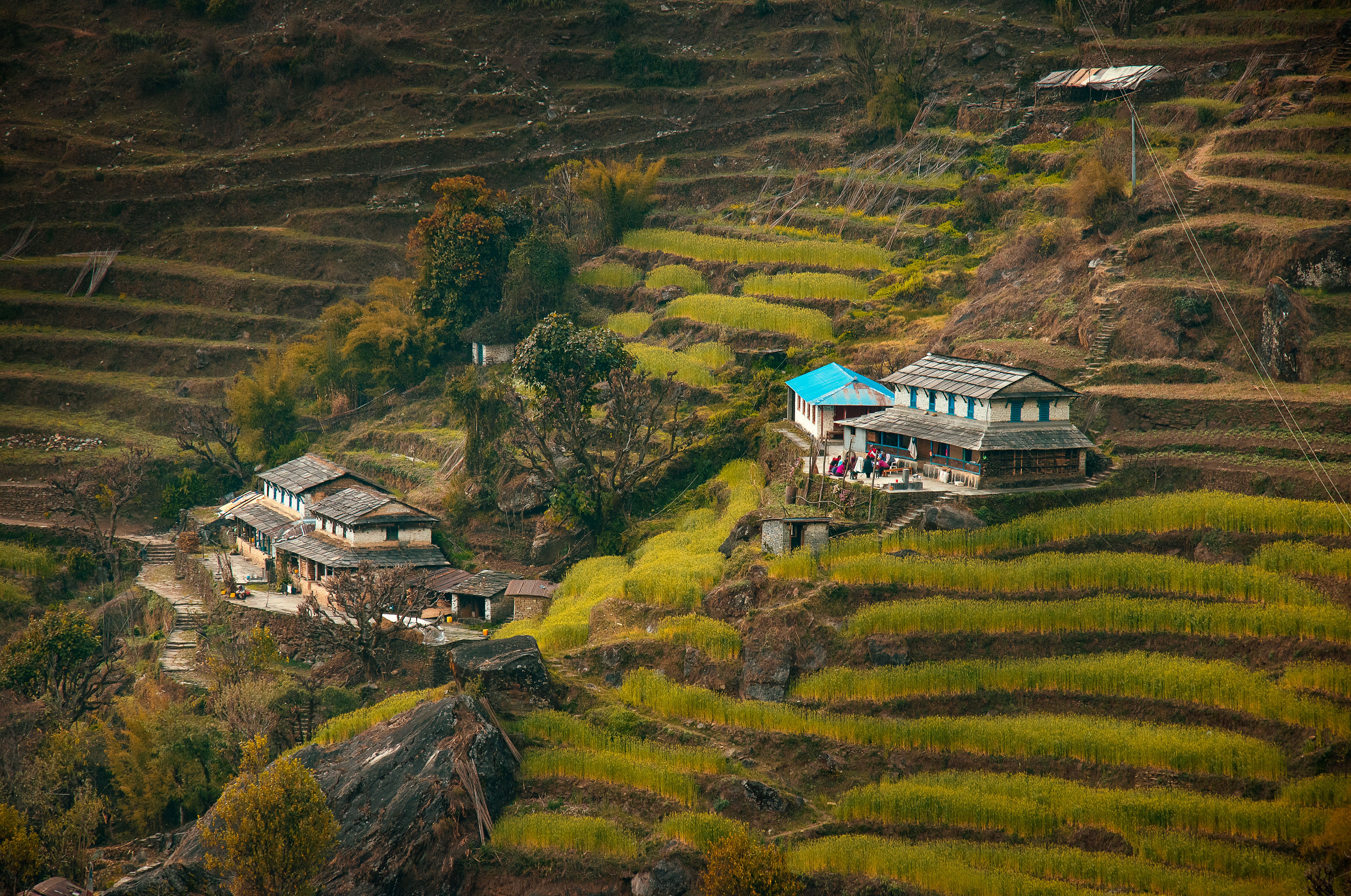
19, considering my first big trip: 3 weeks in Nepal and the Annapurna Circuit. Is it worth it?
Title: 3 Weeks in Nepal and the Annapurna Circuit: Is It Worth It for a First Big Trip?
Planning your first major Asia adventure after school can be exciting and a bit overwhelming. If you’re weighing a three-week Nepal itinerary that includes volunteering in Kathmandu and a 12-day Annapurna Circuit trek, you’re not alone. Here’s a professional overview to help you assess feasibility, safety, and preparation for a solo journey with a guide.
Overview of the plan
– Duration and structure: Approximately three weeks in Nepal, arriving in June 2027, staying with a Worldpackers host in Kathmandu. Part of the stay involves volunteering with the host, who has offered to arrange the Annapurna Circuit trek.
– Trek details: A 12-day circuit starting from Chame, led by a private guide. All-inclusive package priced at roughly $750, covering the guide, permits, meals, and transportation.
– Personal context: You’ll be 19 years old, physically active with regular workouts and multiple long-distance (40–70 km) hikes performed on flat terrain. This would be your first multi-day trek, with limited prior mountain experience (Giewont in the Tatras as a one-day hike). You also plan to document the journey through videography and photography, trading your media skills for accommodation and meals during the stay.
Key considerations for a first-time Annapurna Circuit trek
– Realistic and safe for your age and experience with a guide?
– A guided trek is a common and sensible choice for first-time multi-day high-altitude trekking. A private guide can help with pacing, acclimatization planning, route decisions, and safety. However, success hinges on honest self-assessment of your fitness, previous hiking experience on varied terrain, and your ability to recognize altitude-related symptoms. Ensure the guide or trekking company has strong safety protocols, emergency plans, and reliable local support.
– Altitude risk crossing Thorong La (the Thorong La Pass, over 5,400 meters)?
– Altitude risk is real at Thorong La, even for fit hikers. Proper acclimatization, a slow ascent profile, and awareness of symptoms (headache, dizziness, nausea, fatigue, shortness of breath) are essential. A typical acclimatization approach includes a couple of lower-altitude days before touching higher elevations, staying hydrated, avoiding alcohol, and listening to your body. If you have any pre-existing health concerns or concerns about high-altitude exposure, consult a physician experienced in high-altitude travel.
– Trek timing in June: weather and trail conditions?
– June falls at the start of the monsoon season in Nepal, which can bring increased rainfall, cloud cover, and occasional trail slickness. However, some hikers still undertake the circuit in early monsoon months, and conditions can vary year to year. Prioritize updated local weather forecasts, be prepared for rain, and discuss with your guide about day-to-day plans and potential shelter options. The host’s note about reduced rainfall “these days” should be verified with recent traveler reports and the trekking company.
– General safety tips for Nepal as a young solo traveler
– Choose reputable operators and accommodations with good safety records.
– Share your full itinerary with someone you trust and maintain regular check-ins.
– Use reputable, authorized transport and avoid unverified rides or services.
– Stay aware of local customs, dress modestly in certain areas, and carry copies of important documents.
– Keep costs predictable with a clear contract for meals, permits, and guiding services.
– Maintain situational awareness in crowded markets and during trekking transitions.
– Lessons others might wish they’d known
– The importance of acclimatization planning and listening to your body.
– The value of a reliable guide who prioritizes safety and comfort.
– The benefits of gradual exposure to altitude rather than attempting aggressive ascents.
– The need to plan for contingency days and flexible scheduling in case weather or health issues arise.
– Additional recommendations and ideas
– Verify the total all-inclusive cost and what is covered (permitting, guide, meals, transport, any equipment rental, lodging during the trek, and contingency funds).
– Confirm the trekking route’s specifics, including daily distances, typical altitudes, and rest days.
– Ensure you have appropriate gear for variable monsoon-season conditions: and rain-worn clothing, waterproof outer layers, a capable backpack, trekking shoes with solid grip, and a basic first-aid kit.
– Consider travel insurance that covers high-altitude trekking and emergency evacuation.
– Track your acclimatization strategy with gradual ascent and planned rest days. If possible, discuss a flexible itinerary with your guide to accommodate acclimation.
– Prepare a lightweight media setup for photography and videography that doesn’t overly burden your physical stamina or safety.
– Research and connect with other travelers who have completed the Annapurna Circuit in June to gather firsthand insights about weather, trail conditions, and safety considerations.
Bottom line
A three-week Nepal itinerary that combines volunteering in Kathmandu with a guided Annapurna Circuit trek is a feasible and popular option for a first major adventure, especially if you prioritize safety, acclimatization, and reputable local support. Your age and hiking background are important factors, but with a qualified guide, careful preparation, and a realistic assessment of altitude risk, the trip can be a rewarding, immersive experience that blends culture, scenery, and personal growth.
If you’d like, I can help you draft a concise checklist to discuss with your host and trekking operator, or tailor a day-by-day acclimatization and activity plan based on your exact travel dates and preferences.