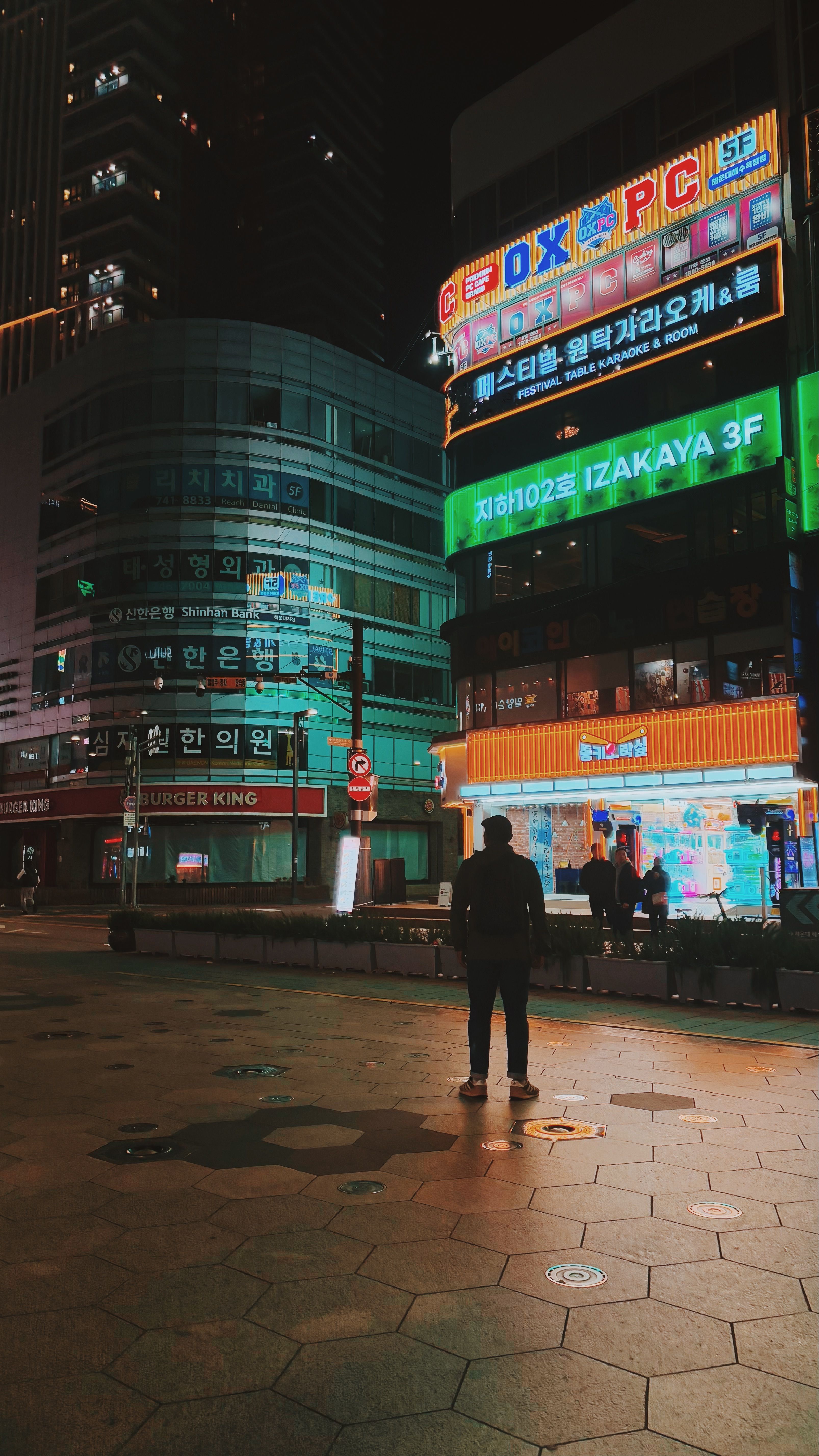
25M solo – Seoul until Nov 4, only 5 nights in Japan. What to do?
Title: A 25-Year-Old Solo Traveler’s Seoul to Japan Plan: 5 Nights in Japan, 4 in Seoul, and a Tokyo Sendoff
Are you a 25-year-old adventurer looking to maximize nightlife, social vibes, and memorable experiences while juggling a tight travel window? Here’s a concise, professional-style guide inspired by a solo traveler’s upcoming trip from Seoul to Japan, with a focus on what to do in Japan over four days and how to structure a short layover itinerary.
Overview:
– Age and style: 25, solo, active, eager for exploration, nightlife, socializing, and once-in-a-lifetime moments.
– Itinerary window: Seoul from October 30 to November 4, then Japan November 4–8, departing Narita Airport at 5:00 PM on November 8.
– Prior Japanese experiences: Multiple trips to Japan this year, including extended stays during work-related travel. Past highlights include Tokyo visits (May and August, 6–5 nights respectively), Osaka/Kyoto for about 3 nights, and a Mt. Fuji summit climb.
– Current dilemma: Should the 2-night detour be Fukuoka or Sapporo, then finish in Tokyo with a day trip, or spend all four days in Tokyo? Seeking other compelling options and a practical, not-too-rushed schedule.
Key considerations for planning:
– Time management: With four days in Japan and a Narita departure, consider flight times, transit durations, and jet lag. Shorter external hops (2 nights) can be feasible but require efficient routing and late-night or early-morning arrivals.
– Priority alignment: If nightlife and social interaction are top priorities, Tokyo offers concentrated options, while Fukuoka (Fukuoka nightlife and street food culture) or Sapporo (winter vibes, nightlife, and craft beer scene) provide distinct experiences but require careful timing to avoid travel fatigue.
– Previous experience: Having already visited Tokyo multiple times, it may be valuable to diversify with a new city, but balance that against travel time and potential fatigue before the Narita departure.
Option 1: All four days in Tokyo with a one-day excursion
– Pros: Maximizes familiarity, ease of logistics, and access to a broad spectrum of nightlife, dining, and social venues.
– Cons: Potentially less novelty if Tokyo is already familiar.
– Sample rhythm: Day 1 arrival and orientation (neighborhood bar crawl, ramen or izakaya night). Day 2–3 exploring neighborhoods with evening social scenes (Shibuya, Shinjuku, Roppongi, Ginza/Omotesando). Day 4 day trip to a nearby destination (Nikko, Kamakura, or Hakone) or a fully packed Tokyo day of theme parks or districts like Akihabara. Day 5 optional late-night activities before departure to Narita.
Option 2: Tokyo as a base, with a 2-night detour to Fukuoka or Sapporo
– Fukuoka (2 nights)
– Pros: A distinct regional scene with Hakata ramen, nightlife in Nakasu, and coastal day trips (Dazaifu or Itoshima). Feels refreshing and less touristy than Tokyo.
– Cons: Additional transits to and from Narita; potential fatigue before the final flight.
– Sapporo (2 nights)
– Pros: Unique northern nightlife, craft beer bars, and a different winter-era atmosphere (depending on weather). Easy access to day trips like Otaru or nearby ski areas if weather permits.
– Cons: Longer travel time to and from Tokyo/Narita; risk of weather-related delays.
– Practical tip: If choosing either, book late-evening or very early-morning travel to maximize time on the ground and minimize back-and-forth transit.
Option 3: A mixed approach with a curated single-city focus plus a micro-excursion
– Example: Tokyo + one selective day trip to a nearby destination (Nikko, Kamakura, or Hakone) to inject variety without an extra overnight city shift.
– Pros: Keeps rhythm steady, reduces fatigue, maintains social energy for nightlife.
– Cons: Fewer “new city” experiences.
Suggested practical plan (example):
– Day 1 (Nov 4): Arrive in Japan, settle in Tokyo. Evening exploration in a lively district (Shibuya or Shinjuku), casual dinner, and bar crawl to ease into the trip.
– Day 2 (Nov 5): Tokyo daytime activities (neighborhood hopping: Harajuku, Shibuya Crossing, Omotesando), night out in Roppongi or Shinjuku with a focus on live music or club venues.
– Day 3 (Nov 6): Day trip or a two-neighborhood deep dive (Asakusa, Akihabara, or Odaiba). Evening at a reputable izakaya or nightlife hotspot.
– Day 4 (Nov 7): Another Tokyo-centric day (team up with new friends, go for a unique experience like a craft brewery tour or themed bars). Prepare for departure; light evening activity if energy allows.
– Day 5 (Nov 8): Optional short morning activity, then travel to Narita for the 5 PM departure.
Final note:
– If you prefer a fresh city vibe, consider a concise 2-night detour to Fukuoka or Sapporo, but plan for tight schedules and consider overnight flights to optimize ground time.
– If novelty is less critical and ease matters, concentrating all four days in Tokyo with a day trip offers a sustainable, high-energy experience.
Would you like a detailed, day-by-day schedule with specific neighborhoods, clubs, dining spots, and live music venues tailored to your interests and energy levels? I can also generate a printable itinerary and a budget outline to help you decide between Tokyo-first routes and a short detour.