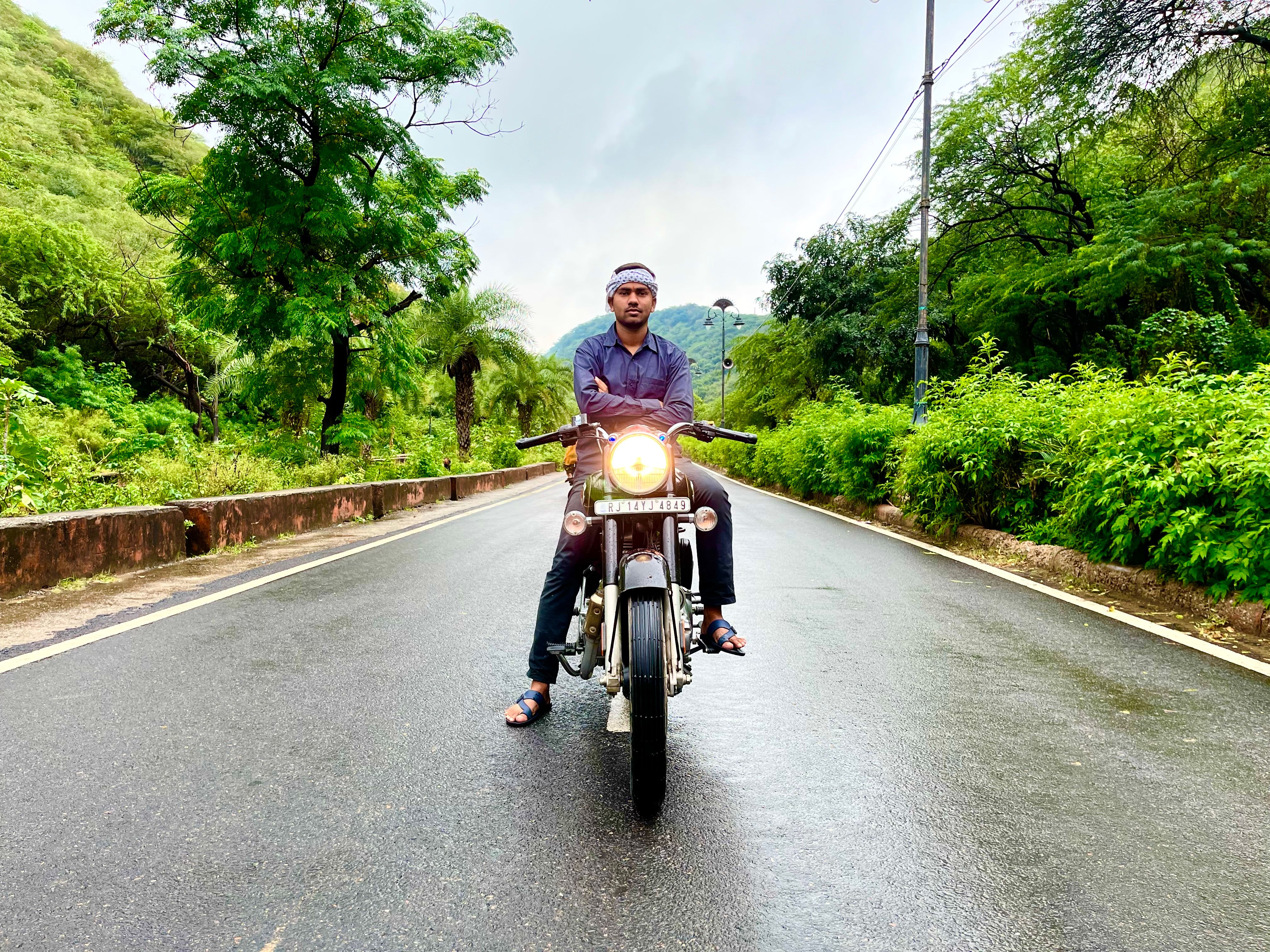
India, you were amazing! 12 days of solo motorcycle travel in the most populous country on earth.
India, You Were Amazing: 12 Days of Solo Motorcycle Travel Across the Subcontinent
Overview
A first-time visitor shares a 12-day, solo motorcycle journey through India, highlighting the country’s remarkable diversity—from chaotic cityscapes and royal forts to serene mountain valleys and remote Buddhist monasteries. The experience emphasizes flexibility, cultural immersion, and the practical realities of traveling on two wheels in a land of varied landscapes and traffic conditions.
Context for readers
– The trip was solo, undertaken without the traveler’s usual partner due to visa constraints (the partner is of Chinese nationality).
– A motorcycle was rented for the majority of the journey, chosen to enable a flexible itinerary and in-depth exploration. While advised against by some due to left-side driving and dense traffic, the rider leveraged prior international riding experience to navigate confidently.
– The route aimed to showcase India’s breadth: from Old Delhi’s bustle and Rajasthan’s forts to the Himalayan foothills and high-altitude desert regions with Tibetan cultural influences. The itinerary packed a lot into two weeks to provide a broad introduction to the country’s variety.
Day-by-day highlights
Day 1: Jaipur
– Arrival in Delhi followed by an overnight train to Jaipur.
– Campus of ancient and modern in the Pink City: City Palace, Hawa Mahal, and the Amber Fort.
– A lively ascent to the fort with encounters with local wildlife and street musicians. Sunset at the fort offered particularly dramatic color changes.
Day 2–3: Bundi and nearby towns
– Early departure toward Bundi, famed for its rambling fort and atmospheric old town.
– Monkeys, traditional markets, and a landscape marked by monsoon showers.
– A stop in Tonk showcased an 18th-century mosque; Bundi presented a quieter, more authentic charm with narrow lanes and historical architecture.
– A rainy evening led to a bustling night market experience, followed by a morning visit to Bundi Fort and surrounding gardens.
Day 4: Chandigarh and Shimla, introduction to Himachal Pradesh
– Travel from Jaipur to Chandigarh, a planned city celebrated for Le Corbusier’s architectural influence.
– A Capitol Complex tour, followed by a bus ride to Shimla—Himachal Pradesh’s principal hill station and former summer capital.
– Transition from plains to forested hills, setting the stage for a motorcycle journey through Himachal Pradesh’s diverse valleys.
Day 5–6: Kalpa and Spiti Valley prep
– Kalpa provided a visual contrast of colorful wooden homes against rugged Himalayan backdrops.
– Chitkul offered an authentic, high-altitude village atmosphere, with traditional livelihoods and spectacular, early-fall scenery.
– Preparation for Spiti involved understanding local administrative requirements, including the Protected Area Permit (PAP) process for foreign travelers in sensitive border regions.
Day 7–8: Spiti Valley exploration
– Ki Gompa (Key Monastery) stands as Spiti’s largest monastery, perched above the valley with panoramic views.
– Dhankar Monastery, perched on a cliff, offered dramatic architecture and some of Spiti’s most iconic viewpoints.
– Kaza served as the base for exploring Spiti’s western side, with a focus on remote villages and dramatic gorges.
– Notable stops included Chicham village and Chicham Bridge, Asia’s highest bridge by elevation, as well as Hikkim (home to the highest post office in the world) and Komic (one of the highest road-accessible settlements in Asia).
Day 9: Demul
– A strenuous but rewarding detour to Demul via challenging tracks and a remote route that rewarded the traveler with authentic community interactions and sweeping panoramas.
Day 10: Chandratal Lake
– A high-altitude lake at approximately 4,300 meters, accessed via a rugged route and a remote “Dead Network Zone” with no mobile connectivity.
– Overnight in a tent camp near the lake, underscoring the stark simplicity and isolation of the region.
Day 11: Return journey via Manali
– Return through challenging terrain toward Manali, a gateway to further exploration.
– Delivery of the motorcycle and a night bus back toward Delhi.
Day 12: Delhi sightseeing
– A final day in Delhi to visit major sites, including the Red Fort, Jama Masjid, Lotus Temple, and Chandni Chowk, before departure.
Key takeaways
– The journey demonstrates how a motorcycle can enable flexible, immersive travel through a country with rapid transitions in landscape and culture.
– India’s urban intensity, architectural heritage, and the sacred geography of its mountains and monasteries offer a compelling tapestry for road-based exploration.
– Traveling in restricted-border regions requires careful planning, permits, and an openness to unexpected administrative steps, which can be navigated with local guidance and patience.
Practical notes for future travelers
– Riding a motorcycle in India requires acclimation to left-hand traffic, diverse road surfaces, and densely populated roadways. Preparation and caution are essential, but confidence can be built through experience.
– When visiting remote regions like Spiti, be prepared for limited connectivity, variable weather, and complex permit processes. Start permit applications well in advance and verify current requirements with local authorities or tour operators.
– Accommodation options in high-altitude areas range from guesthouses to tents; plan for variable temperatures and rugged conditions.
Questions welcome
If you’re curious about specific routes, gear recommendations, best times of year for spiti-bound trips, or safety considerations for solo motorcycle travel in India, feel free to ask. I’m happy to share insights and practical details.