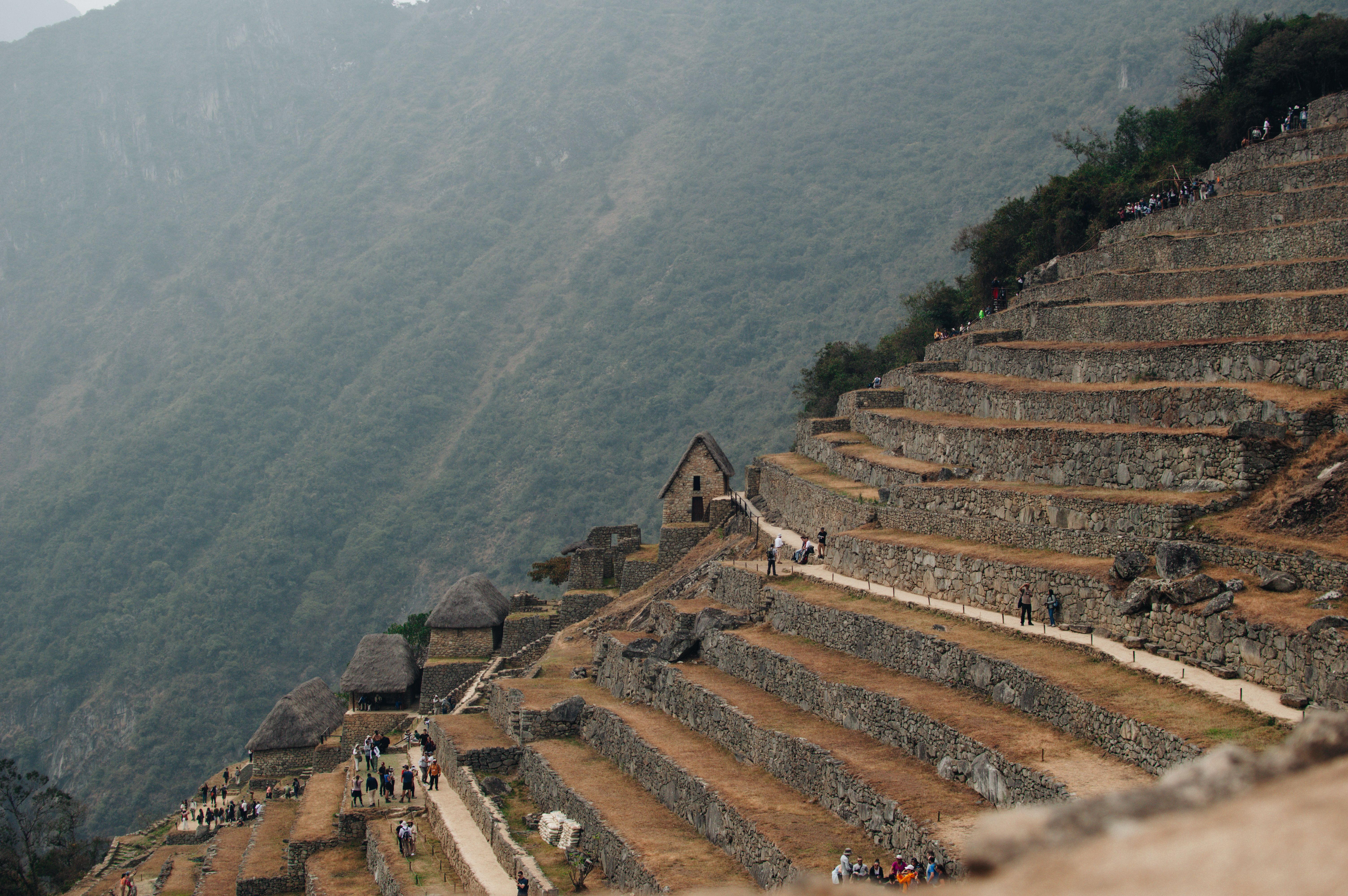
Solo trip to Peru: Need some advise for MachuPichu
Solo Peru Trip: Expert Guidance for Machu Picchu Planning
Overview
If you’re gearing up for a December adventure to Peru, a classic route many travelers enjoy is Lima → Cusco → Machu Picchu, with a return to Lima. Below is a concise, professional guide to help you refine your itinerary, address common concerns, and make the most of your Machu Picchu experience.
Sample itinerary outline
– Day 1: Arrive in Lima (early morning). Explore Lima’s highlights and check into a hotel for the night.
– Day 2: Full day exploring Lima.
– Day 3: Early morning flight from Lima to Cusco. Overnight in Cusco.
– Day 4: Sacred Valley tour, ending in Ollantaytambo to board the train to Aguas Calientes. Overnight in Aguas Calientes (Machu Picchu town).
– Day 5: Machu Picchu visit (early start to maximize time), return to Cusco or proceed with your remaining plans.
– Day 6+: Depart or continue travel as desired.
Key questions and practical guidance
1) Luggage during the train ride to Machu Picchu
– The train segments to Aguas Calientes (the town at the base of Machu Picchu) typically require travelers to travel light. Most trains have limited luggage allowances (usually one carry-on and one small backpack per person, with stricter size/weight limits for checked bags).
– Practical options:
– Use a small, secure daypack for the train portion and store larger luggage at your Cusco or Ollantaytambo hotel before the day you depart for Aguas Calientes.
– Some hotels near Ollantaytambo offer luggage storage for guests, even if you’re heading for a day trip elsewhere.
– Confirm luggage storage options with your hotel(s) in advance and consider a brief stop in Ollantaytambo if needed to retrieve bags.
– If you’re traveling with a tour operator for the Sacred Valley and Machu Picchu leg, ask about included luggage arrangements or bag policies with the rail operator.
2) Inca Rail vs. PeruRail: which to choose
– Both operators are reputable and operate the same destinations between Ollantaytambo and Aguas Calientes. Differences are usually in service levels, train categories, timings, and price.
– Tips to decide:
– Compare train categories (economy, premium, or panoramic) across both operators for your travel dates.
– Check seating comfort, window views, and on-board service.
– If timing matters, map out your Sacred Valley itinerary to see which operator’s schedule better fits your day.
– Read recent traveler reviews for service reliability on your specific travel dates.
– Some travelers prefer PeruRail for its gear-friendly policies on certain services; others prefer Inca Rail for onboard experience or timing. Either choice is generally suitable for a Machu Picchu itinerary.
3) Safety in Peru: personal safety and pickpocketing
– Peru is generally safe for tourists in the main cities and well-trodden tourist areas, but petty crime exists, as in many global destinations.
– Practical safety tips:
– Stay aware in crowded areas (buses, markets, train stations) and avoid displaying valuables.
– Use hotel safes for passports, extra cash, and valuables.
– Be cautious with your bags in crowded transport and during transfers.
– Use reputable transportation options and licensed guides, especially for tours.
– Avoid poorly lit, unfamiliar neighborhoods at night; plan your activities with trusted operators.
4) Public transport versus ridesharing
– Peru has a mix of public transport, taxis, and ridesharing options (where available in major cities).
– Guidance:
– In Lima and Cusco, use reputable taxi services or ride-hailing apps where available. Confirm fares before starting a ride.
– For Machu Picchu logistics, rely on organized tours and the official train services rather than solo, unverified transit options in remote areas.
– If you’re comfortable with local transit, plan your day to minimize long walks with luggage and maximize safety.
5) Cash needs and currency tips
– Peru uses the Peruvian Sol (PEN).
– Cash considerations:
– Carry a reasonable amount of cash for small purchases, tips, or places that do not accept cards.
– ATMs are common in Lima, Cusco, and Aguas Calientes, but you may encounter withdrawal limits or fees.
– Notify your bank of travel to avoid card blocks.
– Many hotels and larger restaurants accept credit cards, but some smaller shops, markets, and local transport may be cash-only.
– Getting Sols:
– Use ATMs in reliable locations (banks or major hotels) to withdraw funds.
– Exchange a small amount of cash before you arrive, but plan most cash withdrawals in-country to avoid carry risk.
– Consider having a backup card or a digital payment option where available.
General recommendations and travel tips
– Acclimatization: Cusco and the Sacred Valley sit at high altitude. Plan for a couple of low-intensity days to acclimate and stay hydrated.
– Machu Picchu tickets: Purchase entry tickets well in advance, especially for peak December dates. If you want to climb Huayna Picchu or Machu Picchu Mountain, book those slots early as they have limited availability.
– Weather: December is part of Peru’s rainy season. Pack a light rain jacket, quick-dry clothing, and a daypack with a poncho or rain cover.
– Physical readiness: Machu Picchu involves uneven terrain and steep sections. Comfortable walking shoes with good grip are essential.
– Guided tours: Consider a guided Machu Picchu or Sacred Valley experience to gain historical context and navigate remote areas smoothly.
– Connectivity: Mobile data and Wi-Fi can be spotty in certain areas; plan for offline maps or printed copies of essential information.
Would you like me to tailor this into a full blog post with a polished narrative, a suggested day-by-day schedule, and call-to-action prompts for readers (such as booking links or a contact form)? If you share your travel dates, preferred pace, and any must-see sites, I can customize a detailed, publication-ready article.