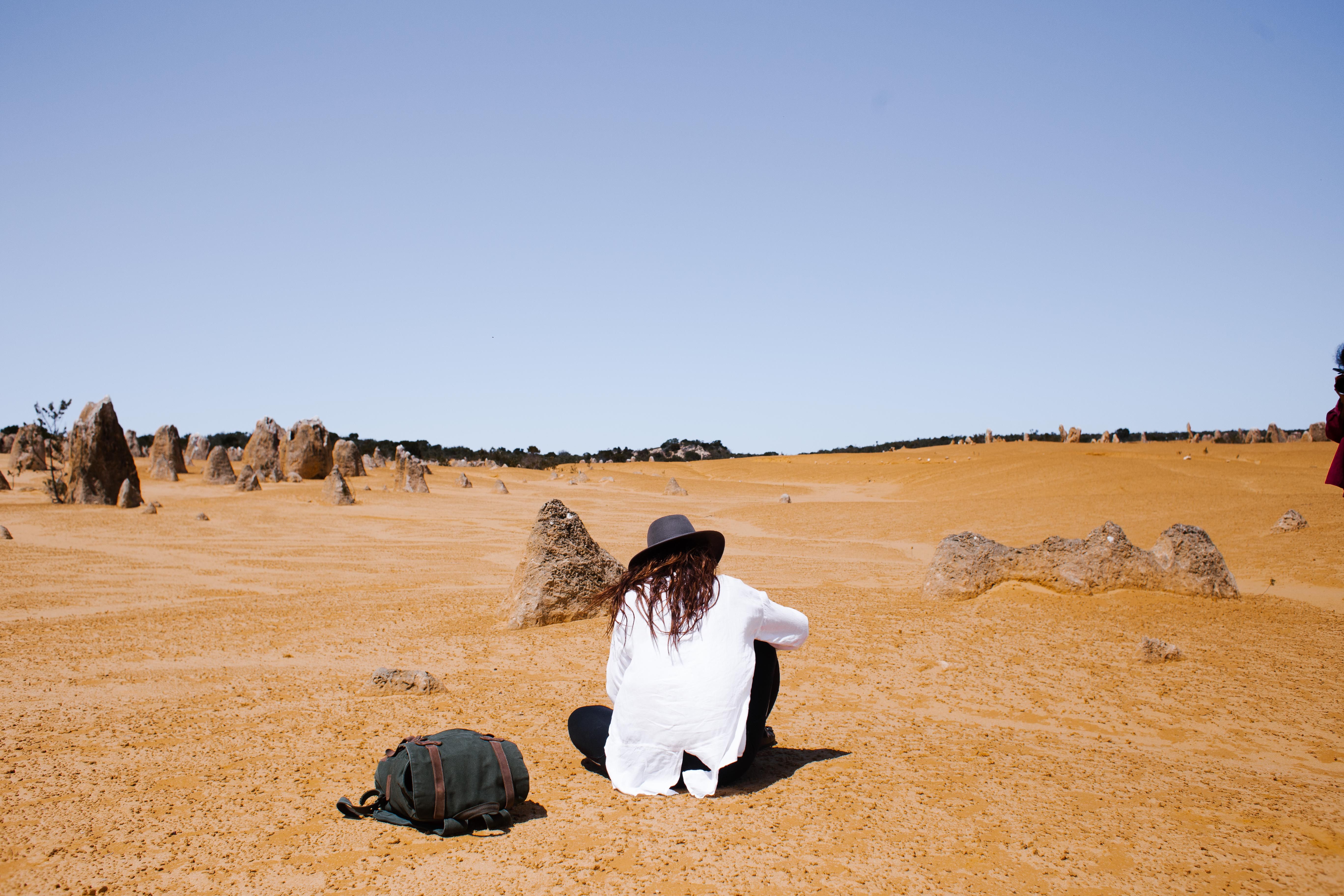
Solo travelling Australia for 6 weeks and feeling lonely and disappointed – how do I turn it around? (F26)
Title: Turning a Solo Australia Adventure Around: Strategies for Meaningful Connections and Renewed Travel Momentum
If you’re traveling solo on a working holiday visa and find yourself six weeks in with mixed feelings, you’re not alone. It’s common to feel lonely or disappointed when the early momentum doesn’t match expectations, especially when you’re seeking real, lasting connections rather than quick, casual encounters.
This article explores practical ways to reshape a solo journey, foster genuine friendships, and regain momentum for the remainder of your trip.
Understanding the challenge
– Solo travel can be emotionally taxing even for seasoned adventurers. The desire for companionship and shared decision-making is natural.
– Meeting people who truly click often happens in organic, ongoing contexts rather than one-off interactions in hostels or on apps.
– The stress of planning, fatigue, and mismatch between expectations and reality can cloud your experience and decision-making.
Strategies to cultivate meaningful connections
– Seek longer-term social opportunities
– Look for activities with consistency: volunteer programs, community meetups, language exchange nights, or weekend hikes with local clubs. Consistent groups provide the space for deeper connections beyond a single evening.
– Join workshops or classes aligned with your interests (cooking, diving, surfing, photography). Shared learning creates natural bonds.
– Prioritize quality over quantity
– When you meet people, aim for a few conversations that feel meaningful rather than chasing many brief interactions.
– Be honest about your wish for genuine connections early on, which can attract like-minded travelers who share similar expectations.
– Leverage structured travel communities
– Consider guided small-group experiences or multi-day excursions with groups that emphasize interaction, not just logistics.
– Use local friend networks, coworking spaces, or expat gatherings to meet people who are also in the mindset of building real connections.
– Create intentional plans with peers
– Propose specific activities with people you connect with (a day trip, a city tour, a cooking class) to build shared memories and a sense of partnership.
– If you click with someone, consider coordinating a few trips or weeks together, rather than assigning yourself to a solitary path.
Decision-making and trip momentum
– Break tasks into small, manageable steps
– Daily or weekly planning can reduce overwhelm. List 2–3 concrete actions each day (e.g., book a tour, join a meetup, try a cooking class).
– Allow for rest and recovery
– Rest days are essential. Fatigue can amplify stress and cloud judgment. Schedule lighter days to recharge.
– Revisit your expectations
– It’s okay if Australia isn’t shaping up as you envisioned. Reframe the plan with flexible milestones (e.g., “spend the next four weeks exploring the east coast, then reassess”).
– Explore new destinations with a mindset of curiosity
– If you’re considering Thailand and the Philippines, research experiences that support social interaction and group activities, which can help ease transitions between locations.
Finding travel companions or better connectivity
– Travel buddy strategies
– Seek longer-term travel partnerships through travel forums, social media groups focused on your destination, or hostel-oriented programs that emphasize collaboration on longer itineraries.
– When you meet someone with compatible timelines, suggest a trial shared plan (e.g., “two weeks together to see how it feels”) before committing to a longer stretch.
– Realistic expectations for buddies
– Travel friends often connect well for a stretch but may diverge as plans evolve. Focus on shared activities and reciprocal flexibility rather than dependency on a single companion for the entire trip.
Redefining the trip’s trajectory
– Evaluate the core motivations
– Revisit why you chose a working holiday and what you want to gain from it—adventure, learning, independence, or new friendships. Align your daily actions with these goals.
– Plan for a phased approach
– Phase 1: strengthen social connections in the current region with structured activities.
Phase 2: determine whether to continue in Australia, pivot to a new country, or blend both with shorter stays to maintain momentum.
– Prepare for transitions
– Before moving to a new country, map out a few must-do experiences, potential communities to engage with, and practical steps to settle in quickly (accommodation options, local meetup groups, language or cultural exchange opportunities).
If you’re seeking actionable next steps, consider:
– Enrolling in a short course or workshop in your current city to meet people with shared interests.
– Attending a weekly meetup focused on a hobby you love, ensuring it’s not just a one-off social event.
– Reaching out to fellow travelers who appear to be in similar stages and proposing a two-to-three-week plan to explore together.
By prioritizing meaningful connections, balancing planning with rest, and adopting a flexible, phased approach to your itinerary, you can transform a disappointing stretch into a renewed, fulfilling chapter of your solo travel journey. If you’d like, share your current location and interests, and I can suggest specific groups, activities, or pathways tailored to your situation.