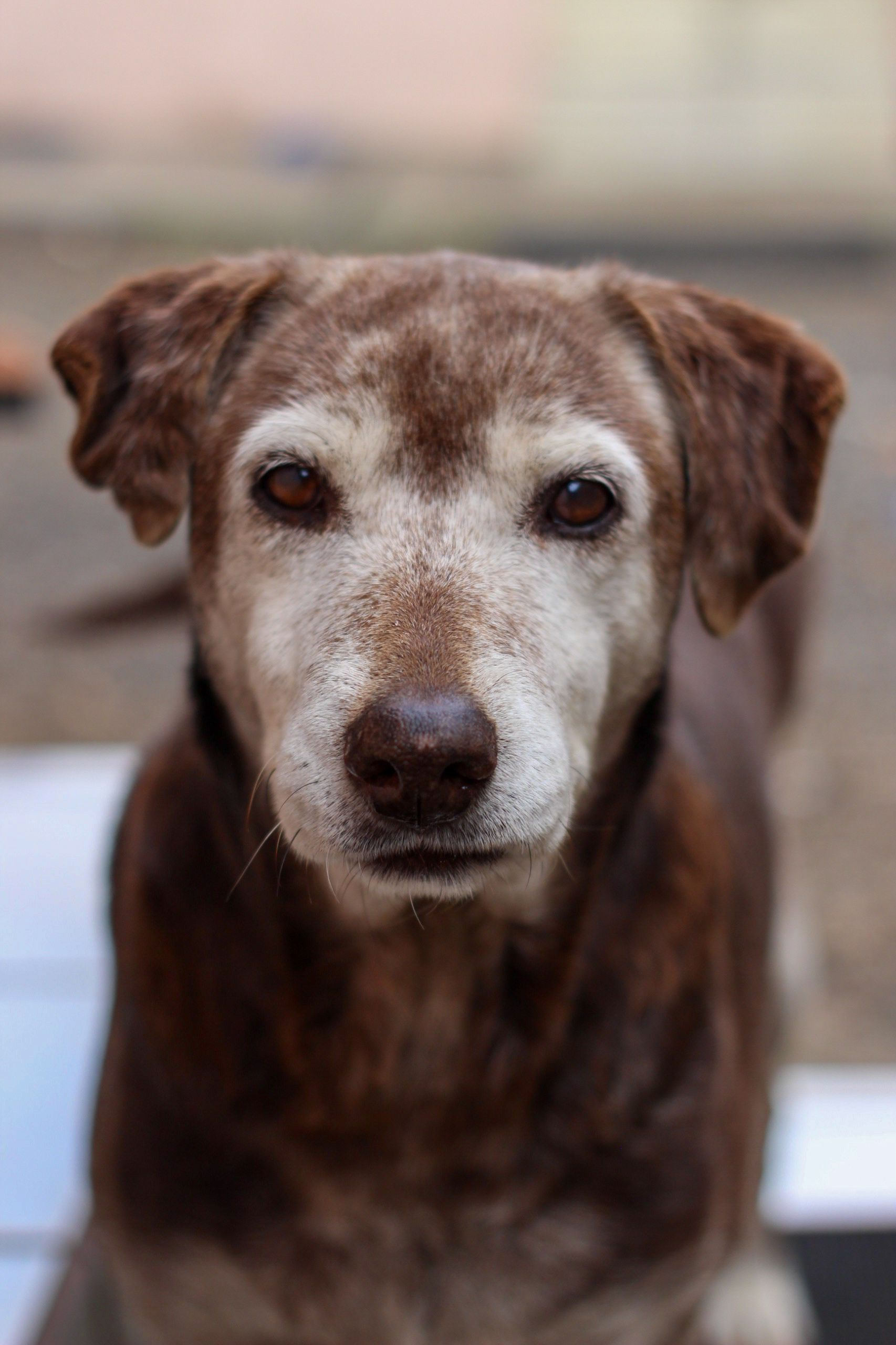
URGENT: Senior Dog (17yo) needing USDA accredited health certificate for international travel to Aruba
Urgent: How to Obtain a USDA-Accredited Health Certificate for a 17-Year-Old Dog Traveling Internationally to Aruba from Los Angeles
Planning an international trip with a cherished pet can be challenging, especially when a USDA-accredited health certificate is required on a tight timeline. This article offers guidance for pet owners in the Los Angeles area seeking rapid processing for a senior dog’s international travel, with a focus on Aruba.
Overview
– Goal: Secure a USDA-APHIS-accredited health certificate for international travel to Aruba, including electronic submission to the destination country.
– Pet profile: Senior dog (approximately 17 years old), previously healthy, with a history of regular travel. Current wellness requirements include: microchip, up-to-date rabies vaccination, and a veterinarian who can issue a USDA-accredited certificate.
– Timeline: Weekend or week-long turnaround, with travel plans already in motion.
Understanding USDA-Accredited Health Certificates
– Purpose: The USDA-APHIS certificate verifies that a pet meets the import requirements of the destination country and that the animal is free from certain diseases.
– Accreditation: Only veterinarians who are USDA-accredited may issue these certificates. It’s common for some veterinary practices to focus on domestic travel and not offer international health certificates.
– Documentation: In addition to the certificate, you may need:
– Valid rabies vaccination certificate (current and compliant with destination requirements)
– Microchip verification
– Health examination within the required timeframe before departure
– Export endorsement from the USDA if required by Aruba
Steps to take in Los Angeles and surrounding areas
1) Confirm eligibility and requirements for Aruba
– Check Aruba’s official import requirements for dogs, including:
– Required documents (health certificate, vaccination records, parasite treatment, etc.)
– Validity period of the health certificate
– Any quarantine or inspection processes upon arrival
– Aruba’s rules can vary by country of origin, so verify the latest guidance from Aruba’s agricultural or veterinary authorities and the airline.
2) Locate a USDA-accredited veterinarian who handles international travel certificates
– Not all veterinarians issue USDA-accredited certificates, and some clinics focus solely on domestic travel.
– When contacting clinics, ask explicitly:
– Do you issue USDA-APHIS international health certificates?
– Is the certificate valid for Aruba, and what is the required validity window?
– Can you perform the required pre-travel examination and sign the certificate as an accredited veterinarian?
– Do you handle the electronic submission (if Aruba requires electronic endorsement)?
– What is the turnaround time and expediting options?
– Potential areas to contact: Los Angeles proper, Glendale, Burbank, Pasadena, Santa Monica, and the San Fernando Valley.
3) Prepare your dog for the health exam
– Bring:
– Original microchip documentation and microchip number
– Up-to-date rabies vaccination certificate (ensure it meets Aruba’s timing requirements)
– Any prior medical records or recent test results (if applicable)
– Your travel itinerary, flight details, and Aruba’s entry requirements
– Ensure the dog is comfortable with a veterinary exam, as stress can impact the health assessment for an elderly pet.
4) Discuss expedited options
– Some clinics offer expedited or same-day processing for international certificates, though timing depends on the veterinarian’s schedule and the specific requirements.
– If a same-day certificate is not feasible, ask about next-best alternatives such as a same-week appointment with electronic submission capabilities.
5) Coordinate with the airline and Aruba’s entry process
– Airlines may have specific pet travel policies, carrier requirements, and documentation expectations.
– Confirm whether the airline accepts the USDA-APHIS certificate within Aruba’s required validity window.
– Verify if Aruba’s border or port of entry requires additional documents or inspections upon arrival.
Practical tips for a smooth process
– Start outreach as soon as possible to identify a USDA-accredited veterinarian with availability in the coming days.
– Choose a clinic familiar with international travel certificates and electronic submission processes.
– Double-check all documentation for accuracy to avoid delays at the border or with the airline.
– If the dog has never boarded before, consider a pre-travel acclimation plan to reduce stress, including short practice trips and familiarization with the travel carrier.
Final thoughts
Traveling internationally with an elderly companion requires careful planning and coordination between your veterinarian, the airline, and Aruba’s import authorities. By locating a USDA-accredited veterinarian in the Los Angeles area who can issue an international health certificate and assist with any electronic submissions, you can increase the likelihood of a smooth, week- or near-week turnaround. If you have firsthand experiences or recommendations for clinics in Los Angeles or the San Fernando Valley that routinely handle USDA-accredited international certificates, sharing those details may help other pet owners facing similar timelines.