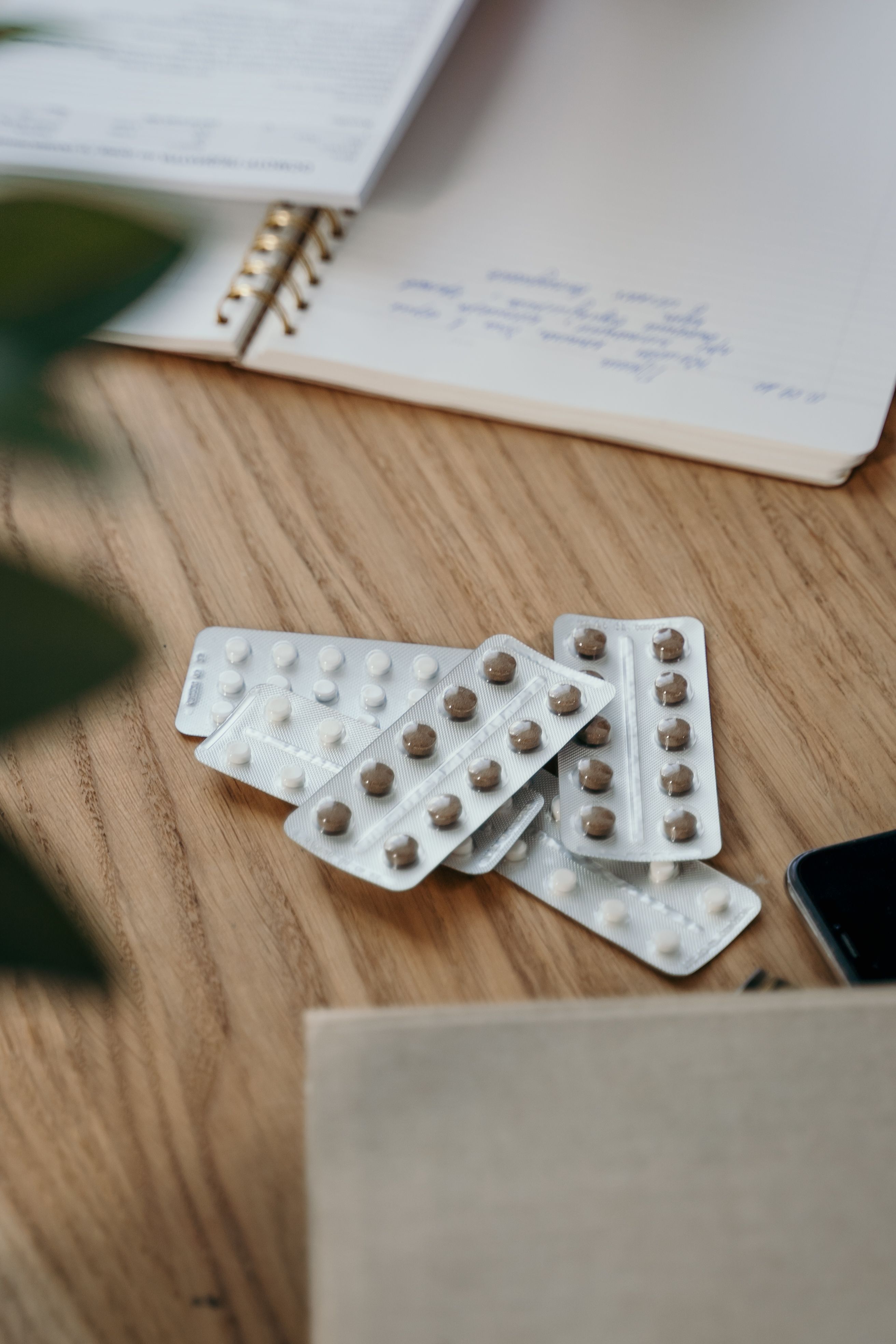
Documents necessary to travel ro the Philippines with prescription medication ?
Documents Needed for Traveling to the Philippines with Prescription Medication
If you’re planning a trip to the Philippines from mid-November to mid-January and you rely on prescription medication for a chronic condition (such as epilepsy treated in France), you’ll want to ensure you bring all required paperwork to avoid any issues at customs or border control. Here’s a concise guide to help you prepare, beyond your French prescription and a letter from your primary care doctor confirming the necessity of the medication.
Key documents to consider
– Original prescription: Ensure it is current, clearly labeled, and includes your full name, medication name, dosage, and prescribing physician.
– Doctor’s letter: A translated letter (English or Filipino, if possible) from your treating physician explaining the medical necessity of the medication and treatment plan.
– Pharmacist’s statement: A detailed note from the dispensing pharmacist about the medication’s name, strength, quantity, and how it should be used.
– Medication packaging: Bring the medication in its original, clearly labeled packaging to verify contents.
– Quantity and travel duration: If traveling for several months, carry a reasonable supply; be prepared to justify the amount with the letter from your doctor.
– International health documentation: If applicable, a copy of your medical records, recent laboratory results, or a summary of your condition and treatment.
– Import/export compliance forms: Some medications may require declaration forms or permits; check if any specific forms are needed for controlled substances.
– TSA/airline guidance: Have a note or attachment ready for screening personnel that explains your medication needs and how you carry it (including quantities).
Practical tips
– Check official sources: Since inquiries to the Philippine embassy redirected you to customs, and customs to the FDA, verify current requirements directly with the Philippine Bureau of Customs, FDA Philippines, and the Philippine Bureau of Immigration ahead of travel. Regulations can change.
– Translation: If your documents aren’t in English or Filipino, obtain certified translations to avoid delays.
– Carry-on access: Keep essential medications and supporting documents in your carry-on bag in case of checked luggage delays.
– Additional precautions: If your medication is controlled or requires special handling, prepare any necessary permits or declarations well in advance.
– Contact in advance: Reach out again to the Philippine Bureau of Customs or the FDA Philippines for the most up-to-date guidance specific to your medication.
Note
Travel regulations regarding prescription medications can vary by country and medication type, and they may change. Always verify with official government agencies before you travel.
If you’d like, I can tailor a checklist based on your exact medication, dosage, and travel dates, and help you draft a translated doctor’s letter.