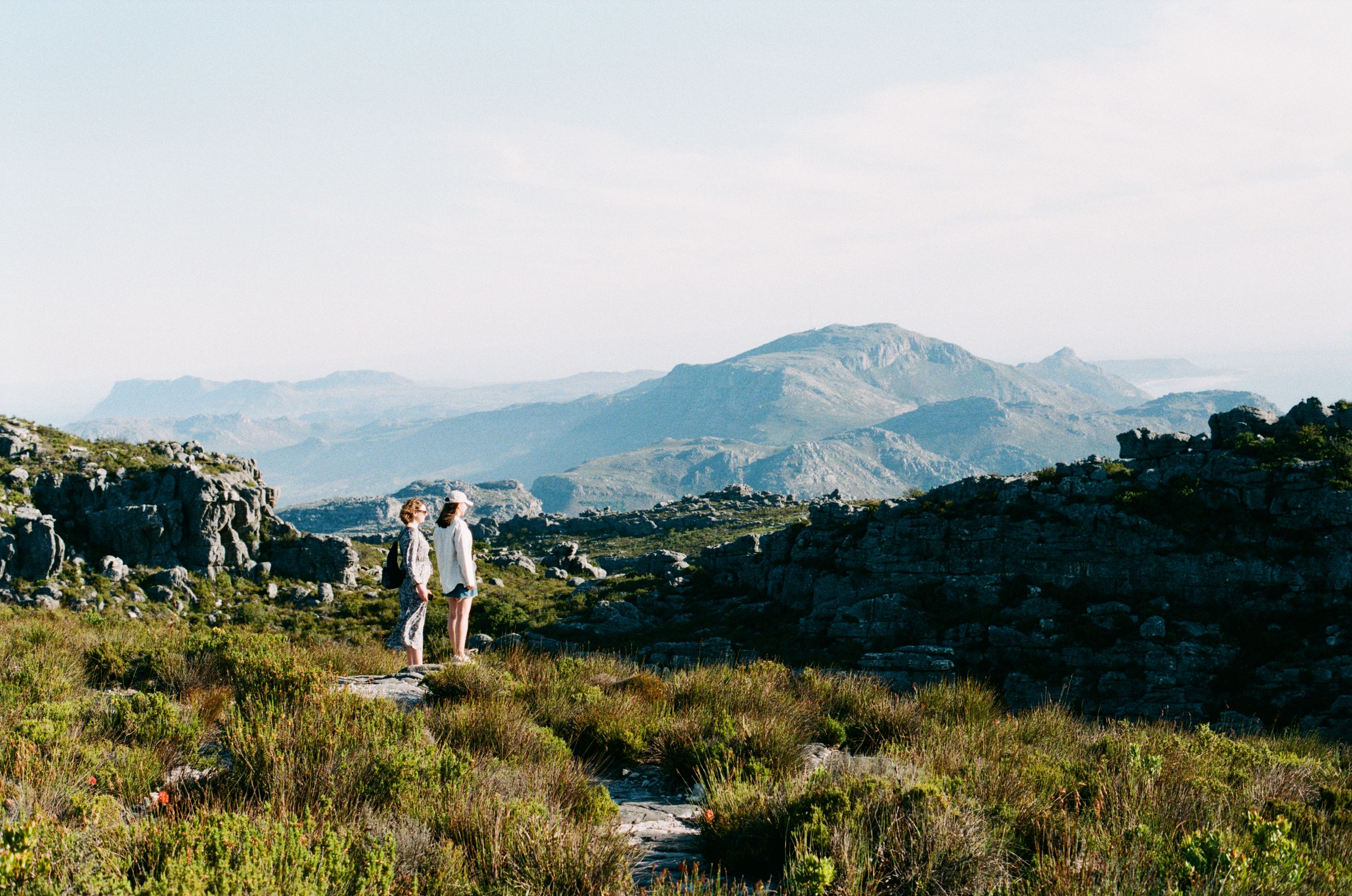
25yo couple doing Garden Route in South Africa PE → Cape Town in Jan, what’s your ideal Garden Route plan?
Title: Designing the Perfect Garden Route Itinerary: PE to Cape Town for an Adventurous, Wine-Free January
Article:
If you’re planning a January road trip from Port Elizabeth to Cape Town along South Africa’s Garden Route, you’re in for a mix of dramatic coastal scenery, forested hotspots, and outdoor adventures. This guide is tailored for a mid-range budget and a couple seeking active experiences, scenic hikes, and peaceful downtime—without wine-focused activities.
Key considerations for planning
– Travel window and pacing: January is peak summer in South Africa, so anticipate warm weather, busy popular spots, and long daylight hours. Decide whether you prefer a relaxed, multi-stop itinerary or a faster pace with fewer overnight changes.
– Activity balance: Combine outdoor adventures with opportunities for rest. Include a few challenging hikes, some easier nature walks, and plenty of time for reflection by the sea or in tranquil landscapes.
– Budget and accommodations: A mid-range budget can cover comfortable lodges, guesthouses, or well-rated B&Bs, along with car hire, fuel, and activity fees. Booking in advance is wise for January, especially near popular stops.
– Alcohol-free experiences: If wine tours or bar-centric activities aren’t on the agenda, focus on nature, wildlife encounters, and cultural stops that align with a sober itinerary.
Suggested route structure and stops
The Garden Route offers a series of iconic towns and nature reserves. Below is one way to structure your trip, adaptable to your pace and preferences.
1) Port Elizabeth (start)
– Activities: Coastal walks along the beachfront, nearby reserves, and a gentle ocean breeze to ease into the trip.
– Day allocation: 1–2 days to recover from travel and set the rhythm.
2) Addo Elephant National Park or nearby springs (short detour option)
– Activities: Wildlife viewing drives, easy self-guided nature trails, and photography opportunities.
– Day allocation: 1 day if including a wildlife stop; otherwise skip to save time.
3) Knysna and the Lagoon region
– Activities: Knysna Heads viewpoints, scenic forest walks, and a stroll along the waterfront. Consider a forest hike in the nearby Knysna or Garden Route National Park areas.
– Day allocation: 1–2 days to enjoy lagoon scenery and easy-to-moderate hikes.
4) Plettenberg Bay and Robberg Nature Reserve
– Activities: Coastal hikes with panoramic views, a chance to see seals, and tranquil beaches for downtime.
– Day allocation: 1–2 days, with a flexible half-day hike or a full day outdoors.
5) Tsitsikamma National Park
– Activities: Iconic forest canopy walks, suspension bridges, water-based adventures if desired (kayaking, gentle zip-lining), and breathtaking coastal trails.
– Day allocation: 1–2 days, balancing longer hikes with shorter, scenic routes.
6) Whales and wildlife pause (seasonal)
– If timing permits (January is outside peak whale-watching in some areas), consider a morning coastal walk or a quiet beach stop near sheltered coves.
7) Plettenberg Bay to the Garden Route’s inland highlights
– Activities: Short forest walks, wildlife reserves, and relaxing coastal towns for downtime.
– Day allocation: 1–2 days, depending on interest.
8) Cape Town (final destination)
– Activities: Table Mountain viewpoints, coastal walks along the Atlantic Seaboard, a guided nature day trip to nearby reserves, and relaxed evenings in the city.
– Day allocation: 2–4 days to explore the peninsula, coastal towns, and surrounding nature.
How many days to spend at each stop
– A balanced approach for a 10–14 day itinerary: allocate 1–2 days for Port Elizabeth and immediate surroundings, 1–2 days each for Knysna, Plettenberg Bay, and Tsitsikamma, with 1 day as a flexibility buffer or a nature-focused half-day, and 2–4 days in Cape Town.
– If pressed for time (8–9 days): consider a two-night minimum in Knysna and Plettenberg Bay, a full day in Tsitsikamma, and 3–4 days in Cape Town, with shorter stays in PE and one or two intermediate stops.
Moving between stops vs. base-camping
– Moving frequently (every night or two): Pros include varied scenery and the thrill of new places; cons are travel time and packing effort. If you enjoy momentum and don’t mind frequent logistics, plan 2–3 nights in most stops.
– Base-camping with day trips: Pros include more downtime, easier packing, and less driving fatigue. This works well with 2–3 core bases (e.g., Plettenberg Bay and Tsitsikamma or Knysna) plus a longer stay in Cape Town. Use day trips to explore surrounding attractions.
Best hikes and hidden gems
– Tsitsikamma National Park: Storms River Mouth Trail (moderate, spectacular coastal views). Alternative: shorter easy loops near the forest to balance exertion.
– Robberg Nature Reserve (Plettenberg Bay): Coastal ridge hikes with sweeping ocean views and possible seal sightings.
– Knysna Forests and Garden Route National Park: Canopy walks and forest trails, suitable for varied fitness levels.
– Knysna Heads and Puffins (seasonal): Scenic viewpoints and coastal landscapes.
– Nature-based tranquil spots: secluded beaches along buffer coves, sheltered coves near smaller towns, and peaceful forest glades away from crowds.
Hidden gems and quiet spots to consider
– Quiet stretches of coastline around smaller towns along the route.
– Forest trails and lookout points with limited foot traffic.
– Off-season viewpoints that provide ample photo opportunities without crowds.
Practical tips
– Weather and packing: January is hot and sunny; pack light, breathable clothing, sun protection, comfortable hiking shoes, and a light jacket for cooler evenings near the coast.
– Reservations: Book mid-range accommodations with good reviews in advance, especially for January travel days and popular stops.
– Activities: Prioritize hikes and nature-based activities; reserve any guided tours or ziplines ahead of time to ensure availability.
– Driving: If you’re not comfortable with long stretches, plan shorter driving legs each day and factor in rest breaks and scenic detours.
Bottom line
– The Garden Route offers a versatile blend of coast, forests, and adventure. A well-balanced plan features 4–5 primary stops with 1–2 nights per stop, plus a longer stay in Cape Town for a mix of iconic sights and quieter nature escapes. Tailor the pace to your appetite for movement, nature, and downtime, and you’ll craft a memorable January journey from Port Elizabeth to Cape Town. If you’d like, share your preferred total trip length, driving comfort, and any must-see activities, and I can help you build a concrete day-by-day itinerary.