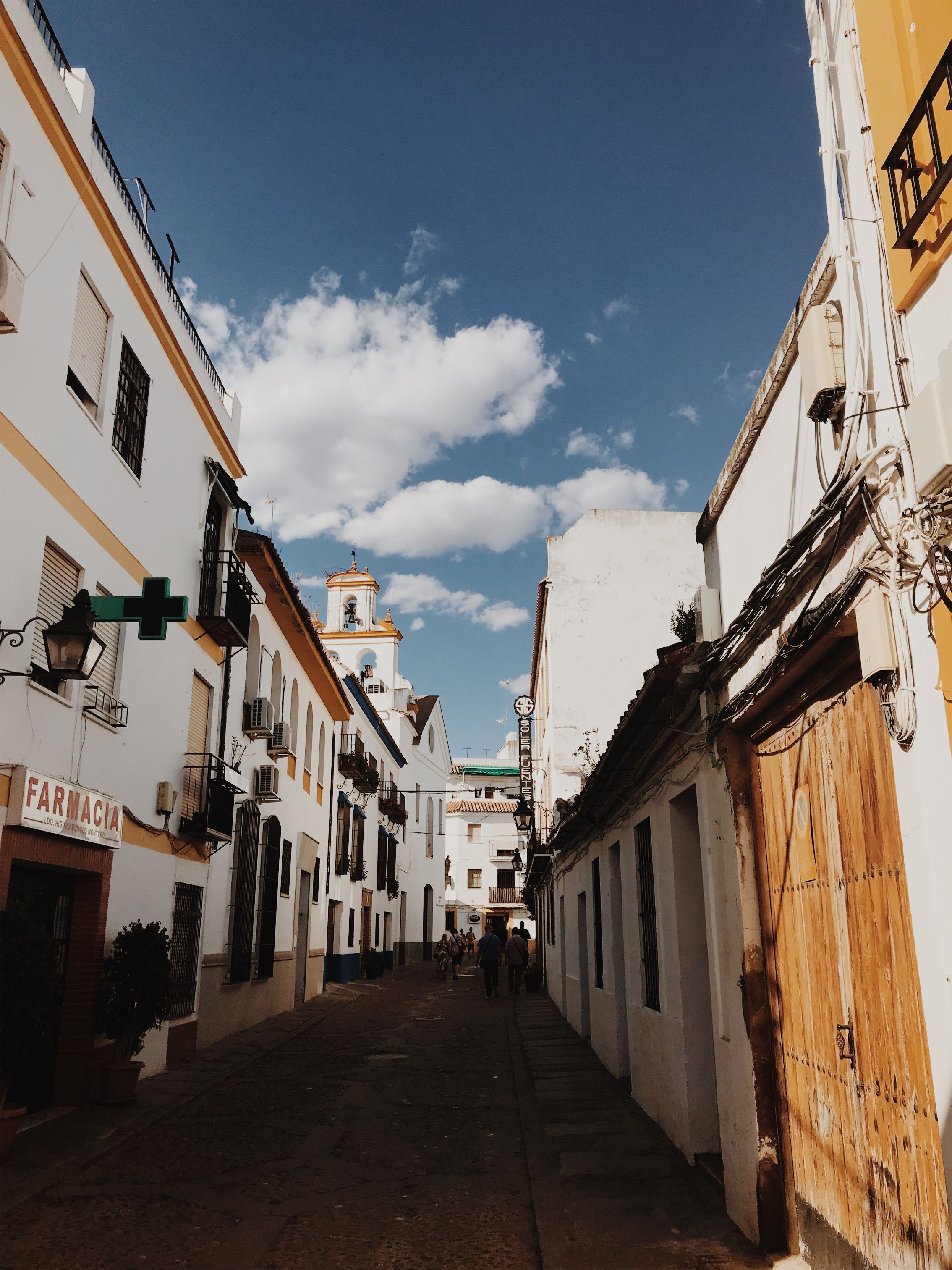
A week in Andalusia – what I loved, what I would do differently
A Week in Andalusia: Highlights, Honest Reflections, and Travel Tips for a History-Focused Journey
Summary
This article recounts a seven-day itinerary through Andalusia with a concentration on the Islamic caliphate and taifa periods (roughly 900–1500 CE). It offers practical insights, personal favorites, and constructive tips for future travelers who share an interest in Moorish history, architecture, and the region’s heritage.
Itinerary at a Glance
– Malaga: Arrival and one-night stay
– Cordoba: Two days exploring the historic core and data-rich sites
– Granada: Two days, including a private Alhambra experience
– Caminito del Rey: Day trip from Malaga
– Malaga: Final day
Note: Seville was intentionally reserved for a separate trip due to its size and distinct emphasis, which diverges from the historical focus of this journey.
What Excited Me About Each Stop
Cordoba
– A standout destination: Cordoba captured my imagination most deeply. I stayed at a boutique property with a six-room footprint, where the staff treated guests like family from arrival onward.
– Dining and hospitality: A tasting-menu dinner and a chef-led breakfast were exceptional experiences not to be missed.
– Street life and architecture: The city’s labyrinth of winding streets, well-preserved medieval structures, and an intimate, less-touristed atmosphere contributed to a special vibe.
– Artistic finds: Local galleries yielded meaningful purchases, including a wood-burning and watercolor piece.
– The Grand Mosque–Cathedral: This site delivered a profound sense of awe—an architectural and spiritual landmark that stands among the most impactful I have visited. A longer stay would be worthwhile for a deeper immersion.
Granada
– Accommodations with a view: Staying in a historic hotel, particularly a room with a view of the Alhambra, heightened the entire experience.
– Alhambra with a historian: A private tour provided by a knowledgeable guide offered valuable context and depth. The scale and history rival the most overwhelming sites encountered on the trip.
– Old town and gardens: A mindful exploration of the Albaicín and surrounding gardens helped balance heat and crowds.
– Flamenco intimacy: A smaller venue provided an authentic, close-up flamenco experience that resonated with me more than larger shows.
Malaga
– Food highlights: A vegetarian-focused meal at a notable local spot and a diverse mix of culinary options kept meals fresh and engaging.
– Relaxation and culture: While the city’s iconic sites—such as the cathedral and the alcazaba—were impressive, the pace felt slower and more reflective when paired with Hammam Al Andalus. The massage and the pools offered welcome relief after days of exploration.
What I’d Change for the Next Trip
Caminito del Rey
– Rethink this excursion: The experience felt time-intensive and, for my preferences, underwhelming relative to the effort and cost. Travel delays, an air-conditioned bus challenge, and a pace that didn’t suit a hiking-focused mindset detracted from the overall value.
Time allocation in Cordoba and Granada
– Spend more time in Cordoba and Granada: While Malaga has its charms, I found these two cities most compelling for a history-focused itinerary. The congestion and high tourist density in Malaga’s center, plus premium pricing, suggested a longer stay in Cordoba or Granada would have been more satisfying, especially for exploring ancient sites and neighborhood life.
Overall impressions and reflections
- The experience was enriching and memorable, underscored by the privilege of travel and the opportunity to engage with local communities.
- The people of Andalusia stood out as the genuine highlight—friendly, open, and welcoming, which added immeasurably to the journey.
- While some aspects required compromises, the landscape of history, architecture, and culture offered a deeply rewarding exploration of this region’s Islamic heritage and its lasting influence.
Practical takeaways for future travelers
– Plan a history-centric route that prioritizes Cordoba and Granada if your main interest is pre-modern Islamic heritage.
– Consider seizing a private or semi-private guided experience at major sites to gain richer historical context.
– Reserve Seville or other large cities for a separate trip if your focus is specifically on ancient or medieval periods.
– Be prepared for variable crowds and seasonal heat; balance high-impact sites with quieter neighborhoods and spa/rest experiences to maintain energy levels.
– Choose accommodations with strong service and local character to maximize the sense of place, especially in smaller, boutique properties.
If you’re contemplating a similar journey, I’d be happy to share more detailed recommendations on where to stay, how to structure days to avoid crowds, and digestion-friendly ways to absorb the historical narratives that define Andalusia’s enduring legacy.