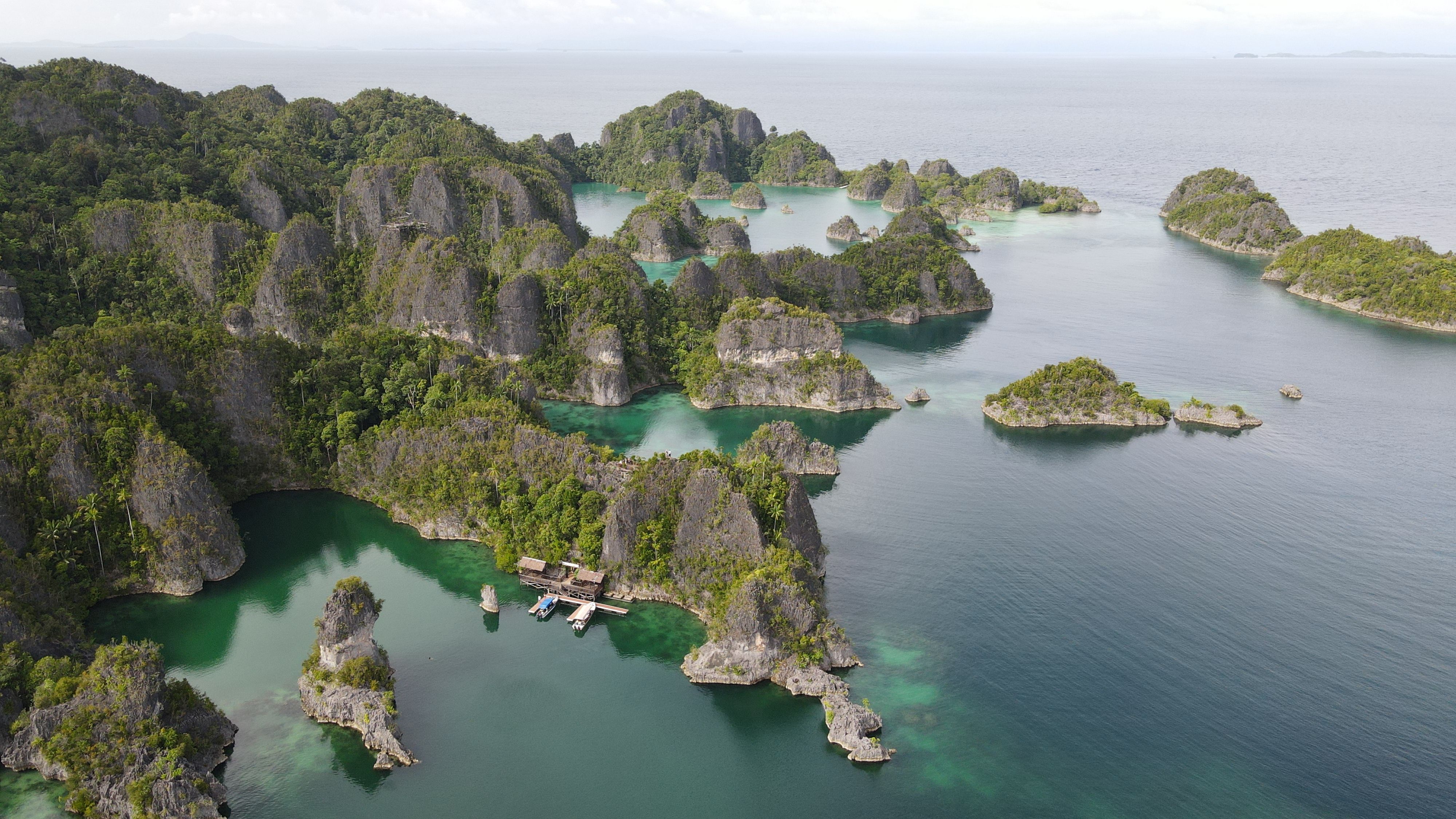
Seram and Raja Ampat for the cassowary (and birds of paradise of course)
Seram and Raja Ampat: Cassowaries, Birds of Paradise, and Practical Travel Tips
Planning a month-long adventure in Indonesia from late September to early October 2027, with a focus on rare wildlife sightings, can be an exciting challenge. This guide synthesizes expert knowledge and traveler experiences to help you maximize your chances of seeing cassowaries and birds of paradise, while navigating logistics in Seram and West Papua.
Choosing where to focus: cassowary hotspots in Indonesia
– Seram Island (Maluku): Seram is one of the most promising places to encounter the forest cassowary in Indonesia. Its interior habitats, including Manusela National Park, are important strongholds for the species. Travel here requires careful planning and local guides familiar with cassowary behavior and terrain.
– West Papua (Geographically including its eastern regions of Indonesian New Guinea): While West Papua offers excellent opportunities for birds of paradise, cassowaries are less reliably encountered compared to Seram. If your primary goal is cassowary watching, Seram generally should be the core focus, with West Papua as a complementary destination for birds of paradise.
Guided experiences and accommodations: finding reliable help
– Local guides and operators: Seek guides who specialize in rainforest wildlife, especially cassowary biology and behavior, and who have established relationships with protected areas like Manusela National Park. Reputable operators often partner with conservation-minded lodges and field stations.
– Lodges and accommodations: Look for lodges or camps that offer expert naturalist guides or can arrange day-to-day cassowary tracking itineraries within Manusela or nearby reserve areas. In Seram, expect a higher level of logistical coordination from seasoned local guides, as infrastructure is more limited than in popular tourist zones.
– West Papua for birds of paradise: When planning in West Papua, prioritize operators with established birdwatching itineraries that include sightings of multiple birds of paradise species. A knowledgeable guide will tailor days to peak action periods and weather windows.
Questions travelers commonly pursue (with practical guidance)
1) Has anyone seen cassowaries in Indonesia, and where to focus?
– Yes, cassowaries have been observed on Seram Island, particularly within and around Manusela National Park. If your number-one objective is a cassowary sighting, allocate a substantial portion of time on Seram (6–7 nights, as you proposed) and choose a high-quality local guide familiar with cassowary routes and safe field practices. West Papua can be added for additional avian diversity, especially birds of paradise, but may yield fewer cassowary encounters.
2) How to find specific guides or lodges with cassowary-focused capabilities?
– Seek guides with documented cassowary sightings or field survey experience in Manusela or nearby forests.
– Contact conservation-minded lodges or community-based accommodations on Seram that advertise wildlife guiding as part of their offerings.
– Reach out to national park authorities or local tourism boards for vetted operator recommendations. Personal introductions and reviews from other wildlife travelers can be valuable validation.
3) Experiences with camping or remote field camps for cassowary watching
– Some guides arrange short jungle camps or camp-to-camp nights near cassowary habitats for targeted viewing. This requires robust safety planning, permits, and ecological sensitivity.
– If you’re interested in a camp experience, request a detailed itinerary that covers camp logistics, meals, safety protocols, and how nights in the jungle are managed. Ensure your operator understands Leave No Trace principles and local conservation guidelines.
Practical planning tips
– Timing considerations: Late September to early October may align with species activity and weather patterns in Maluku and West Papua. Coordinate with guides regarding cassowary activity windows, weather, and safe trekking conditions.
– Permits and access: Some areas, especially Manusela National Park, require permits and a regional guide. Work through a reputable operator to simplify clearance and safety.
– Health and safety: Jungle travel involves rugged terrain, insects, and varying conditions. Ensure you have appropriate vaccinations, malaria prophylaxis if advised, and a packing list tailored to rainforest fieldwork (sturdy boots, long sleeves, rain gear, sun protection, and high-visibility clothing for group safety).
Next steps for your trip planning
– Identify a primary Seram-focused wildlife itinerary (6–7 nights) centered on Manusela National Park and surrounding habitats.
– Add a West Papua segment (7 nights) oriented toward birds of paradise and other avian highlights, with a guide who can maximize viewing opportunities.
– Compile a short list of vetted guides or lodges with cassowary experience from reputable sources or wildlife travel forums, and request detailed proposals.
– Confirm logistics for any jungle camping option, including guides, safety measures, permit requirements, and environmental considerations.
If you’d like, I can help you draft a prospective day-by-day plan for Seram and West Papua, along with a short outreach template you can send to potential guides or lodges to obtain contacts and proposals.