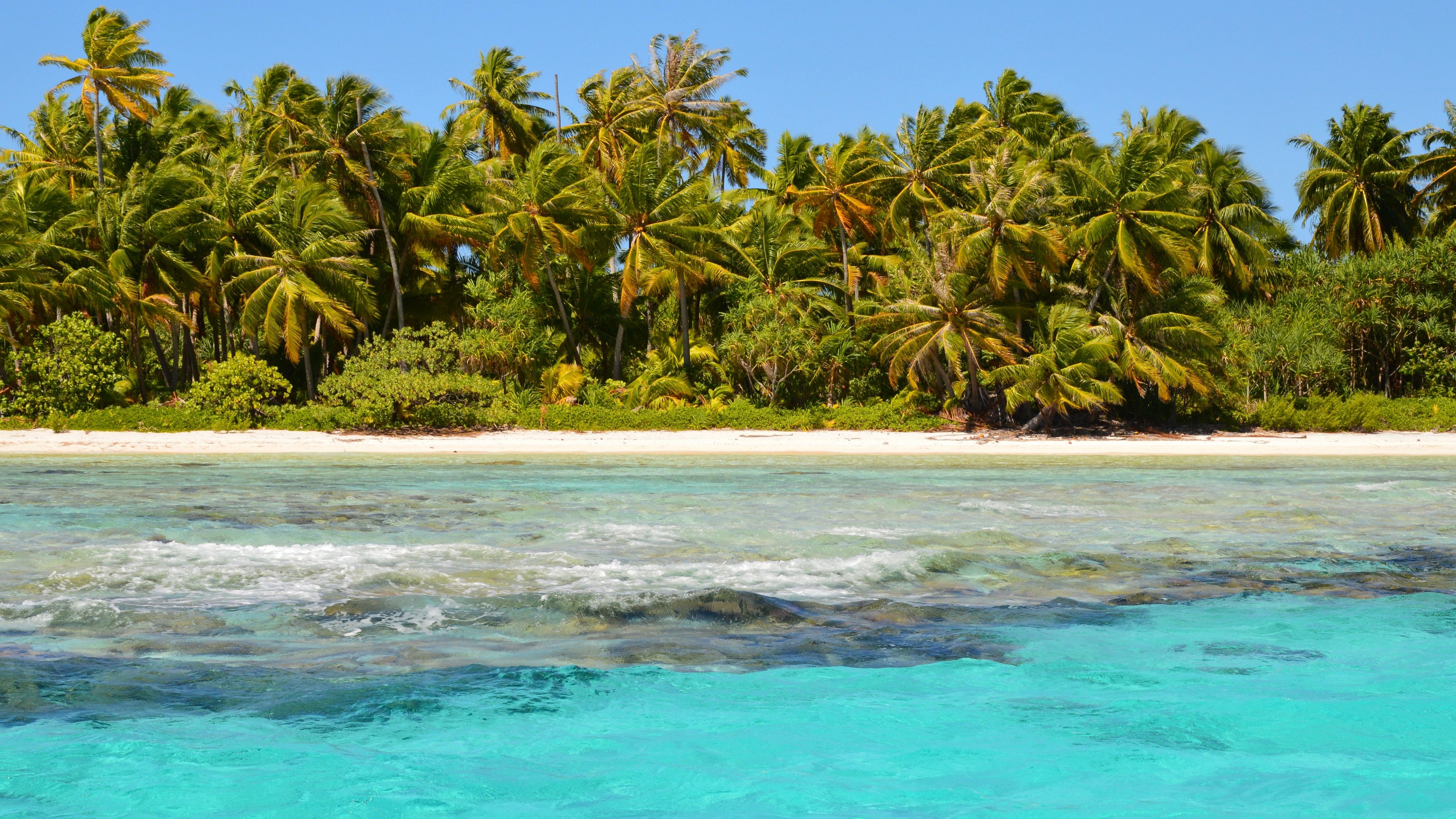
French Polynesia’s Society Islands or New Caledonia’s Loyalty Islands, which would you choose?
Title: French Polynesia’s Society Islands vs New Caledonia’s Loyalty Islands: Which Destination Wins for a Nature-Focused Adventure?
Planning a South Pacific itinerary and weighing two compelling options: the Society Islands of French Polynesia (notably Raiatea, Taha’a, Huahine, and possibly Bora Bora) versus New Caledonia’s Loyalty Islands (Lifou, Ouvea, and Maré). If you’re seeking a destination that feels distinctly different from typical tropical paradises, these archipelagos offer compelling contrasts in landscape, biodiversity, and cultural experience.
What draws travelers to the Loyalty Islands
– Off-the-beaten-path appeal: The Loyalty Islands are widely regarded as less frequented by international tourists, presenting a sense of remoteness and authenticity.
– Distinct landscapes and ecosystems: Expect rugged coastlines, undeveloped beaches, and natural habitats that feel less sculpted by mass tourism. The archipelago offers opportunities to encounter unique flora and fauna, with snorkeling and marine life often paired with quieter beaches.
– Cultural immersion: Greater potential for traditional communities and practices that remain less influenced by high-end resort development.
What makes the Society Islands compelling
– World-class lagoons and volcanic scenery: The archipelago is renowned for postcard-worthy turquoise lagoons, coral gardens, and dramatic volcanic landscapes.
– Accessibility to iconic experiences: Bora Bora’s overwater bungalows and Raiatea’s role as a cultural crossroads are highlights for many visitors.
– Strong tourism infrastructure: Access to established accommodations, guided tours, and a wide range of activities, from snorkeling with manta rays to lagoon exploration.
What to consider when choosing
– Snorkeling and marine life: Both destinations offer excellent snorkeling, but the experience may differ. The Society Islands tend to feature more developed tourist infrastructure for marine activities, while the Loyalty Islands provide a more tranquil, less commodified underwater experience with potentially wilder or less crowded sites.
– Beaches and scenery: The Society Islands boast famed lagoons and dramatic volcanic terrains, while the Loyalty Islands emphasize rugged coastlines, remote beaches, and a sense of untouched natural beauty.
– Authenticity and crowds: If prioritizing a less touristy, more authentic encounter with local life and ecological variety, the Loyalty Islands may have the edge. The Society Islands, while culturally rich, generally attract larger numbers of visitors and offer more luxury options.
– Accessibility and logistics: The Society Islands typically have more flight connections, established resorts, and ease of island-hopping. The Loyalty Islands require more planning and may involve longer transfers and fewer direct options, which can enhance the feeling of remoteness.
Who might enjoy each destination
– For nature and biodiversity enthusiasts seeking remote, unusual environments: the Loyalty Islands are especially appealing if you value a sense of discovery and less commercialized scenery.
– For travelers desiring iconic tropical beauty with accessible exploration and established infrastructure: the Society Islands deliver renowned lagoons, vibrant marine life, and a variety of excursion options.
Bottom line
If your priority is a quieter, more distinctive encounter with nature and culture, the Loyalty Islands in New Caledonia can offer a uniquely rewarding alternative to French Polynesia’s Society Islands. If you’re drawn to spectacular lagoons, dramatic volcanic landscapes, and easier access to a range of popular activities, the Society Islands remain a standout choice.
Tips for planning
– Time your visit to align with favorable marine conditions for snorkeling and minimal rainfall in your preferred season.
– Consider a balanced itinerary that allows several days on a single island to reduce travel fatigue, especially in the Loyalty Islands where transfers can be longer.
– Seek out guest accommodations and community-based tours that emphasize ecological stewardship and cultural heritage to maximize authentic experiences.
If you’ve visited both, share your experiences about beauty, snorkeling quality, beaches, ecological exploration, and how authentic or secluded each destination felt beyond the main tourist hubs. Your insights can help fellow travelers decide between pursuing a traditionally tropical paradise and seeking a more distinctive, nature-forward adventure.