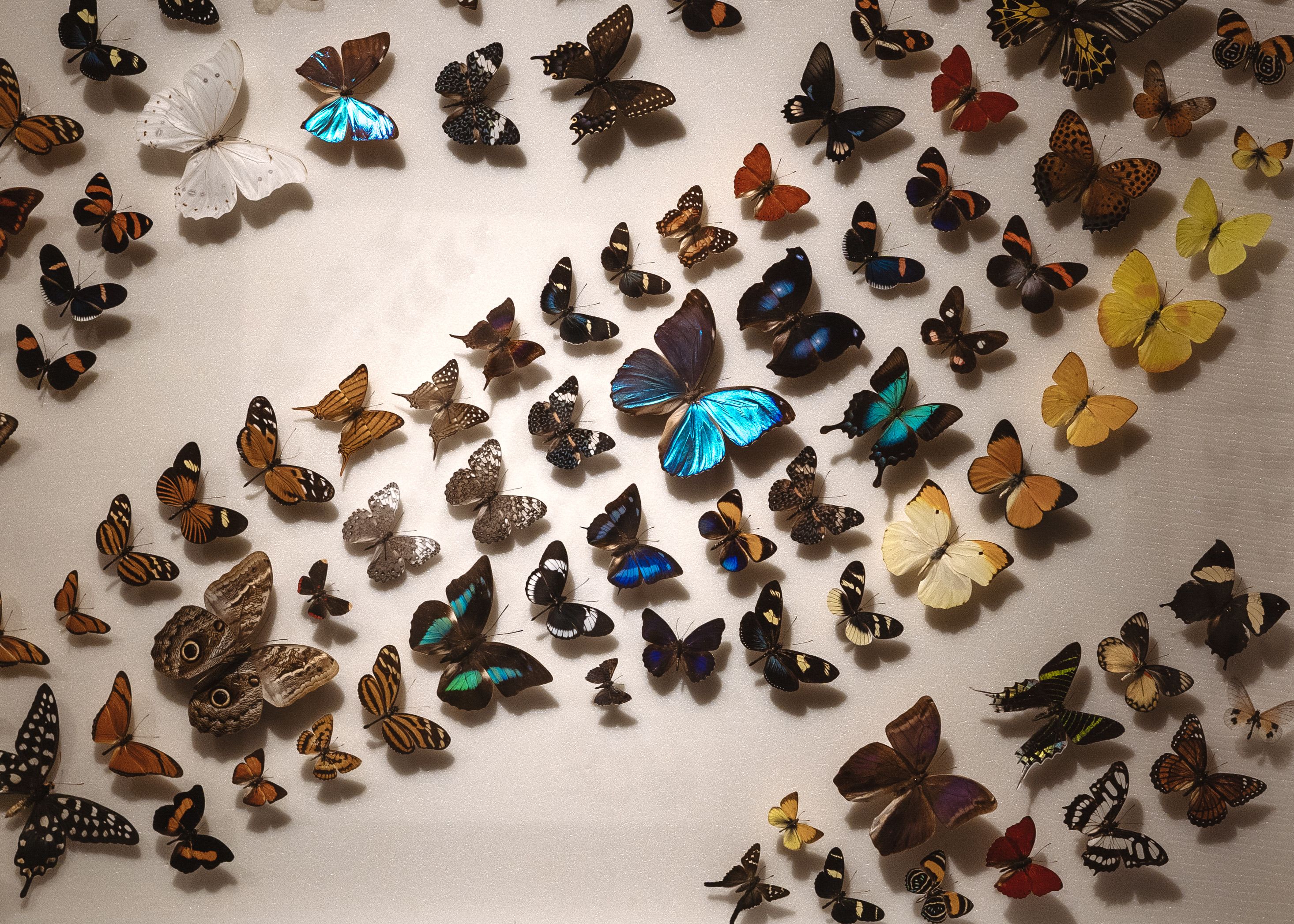
Traveling from the US to Brazil with butterfly specimen
Title: How to Legally Transport Butterfly Specimens from the United States to Brazil
If you’re planning to travel from the United States to Brazil with butterfly specimens, understanding the legal steps and permitting requirements is essential. This article outlines the typical process, common considerations, and practical tips to help you navigate international transfers of insect specimens in a compliant manner.
Key points to consider:
– Regulations and permits: Many countries, including Brazil, require permits for collecting, transporting, or importing biological specimens. This often involves environmental or conservation-related licenses issued by relevant authorities.
– Brazilian requirements: Brazil’s environmental and wildlife protection laws generally mandate permits or authorization from appropriate agencies for importing wildlife products, even for scientifically valuable or educational specimens.
– Documentation: Expect to provide documentation such as species identification, origin of the specimens, collection date, purpose (personal, research, or educational), and details about how the specimens were prepared and stored.
– Carrier policies: Airlines and customs brokers may have their own rules regarding fragile biological specimens. Some carriers require advance notice, proper packaging, and declaration of contents.
– Compliance and ethics: Ensure that the specimens were legally obtained and documented to avoid conservation or legal issues.
Practical steps to take:
– Research Brazil’s import regulations for butterfly specimens via official government sources or contacting the Brazilian environmental agency (e.g., IBAMA) or the Brazilian Ministry of the Environment.
– Check with the United States authorities about export permits or export restrictions for the specimens.
– Consult a customs broker or a professional in biollegal compliance who specializes in international wildlife trade to guide you through permits and paperwork.
– Prepare proper packaging: rigid containers, cushioning, and clear labeling that reflects species, collection details, and the intended purpose.
– Plan ahead: permit processing times can vary, so initiate applications well before your travel date.
If you’ve undertaken a similar shipment or have experience navigating these permits, sharing your insights and any tips you found helpful would be greatly appreciated. Always prioritize legal and ethical considerations to protect both biodiversity and your travel plans.