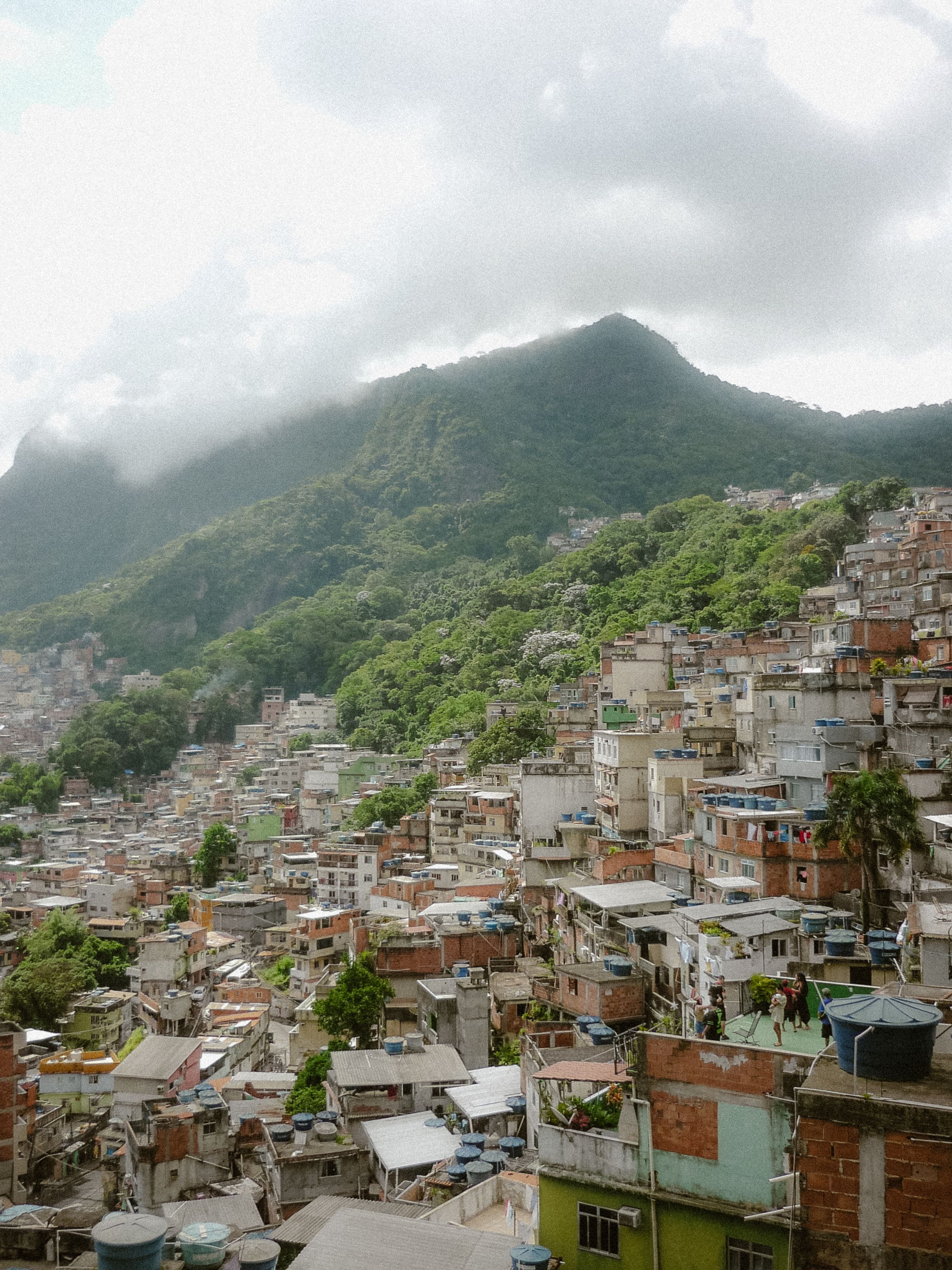
How safe is Favela Rocinha? The truth about “Favela Tourism” from a born-and-raised local.
Title: How Safe Is Rocinha? A Local’s Honest Take on Favela Tourism
Article:
Rocinha, Rio de Janeiro’s largest favela, often sparks debate among travelers about safety and ethics. As someone born and raised in this community and currently completing an Economics degree focused on the tourism economy of favelas, I want to share a grounded, insider perspective that challenges common stereotypes.
A key misconception to dispel: favelas are not simply scenes of extreme poverty or “slums.” Rocinha is a large, dynamic neighborhood with its own economy and culture. Local activity here includes banks, franchise stores, art, and a vibrant food scene. The community operates with resilience and distinctive spatial design—an example of what some describe as “organic architecture.” Our economy is meaningful: estimates suggest it generates hundreds of millions in USD annually, supporting families and local businesses.
Is it safe for visitors? The short answer is yes, with an important caveat: you should travel with a local guide. Favelas have their own social codes, and safety can hinge on understanding where you can and cannot photograph, who you can interact with, and which routes to take. A knowledgeable local guide knows the community, its people, and the unwritten norms that ensure a respectful, safe experience.
Is it ethical to visit? Ethical tourism moves beyond voyeuristic viewing to genuine engagement and support. It is not about riding through the area in a vehicle to snap photos of poverty from a distance. True, responsible tourism means walking through the alleys, buying locally produced goods such as açaí bowls from neighborhood vendors, and learning about the history, struggles, and aspirations of residents. When travelers spend money inside the community, they directly contribute to families and the local economy, promoting sustainable development rather than exploitation.
To share a constructive example, my cousin and I recently launched small walking tours for visitors. The aim is to present a real, vibrant side of Rocinha, challenge stereotypes, and connect travelers with local hosts in meaningful ways.
If you’re planning a trip to Rio and want guidance on safe visiting practices, local etiquette, or deeper insights into Rocinha’s culture, I’m happy to help. Feel free to ask questions in the comments or send a direct message. I’m here to provide practical information and perspectives from someone who calls Rocinha home.