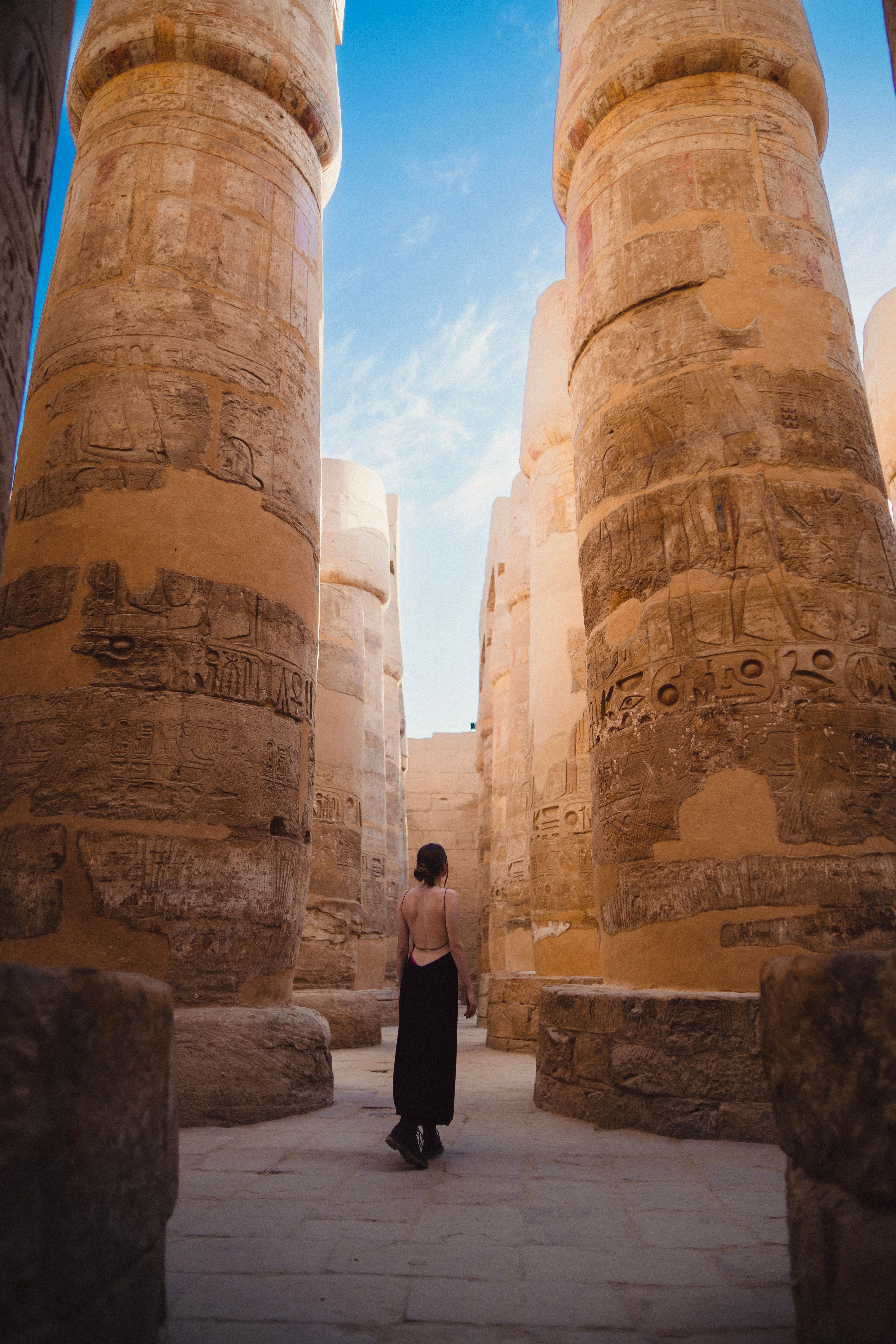
Just Spent 3 Weeks in Egypt. I’m Never Coming Back. Here’s Why.
Title: Why My Three-Week Trip to Egypt Left Me Ready to Move On
A three-week stay in Egypt offered a surprising mix of rich history and challenging daily experiences. While the trip provided many insights, it also left me eager to depart sooner rather than later.
What stood out from the start was a culture of hustle that permeated a number of interactions. At the airport, the process to enter the country revealed inconsistencies that felt more transactional than welcoming. A self-proclaimed “registration fee” surfaced early and appeared to lack a clear, standardized explanation, while other travelers moved through without incident. The sense that certain fees were applied selectively created confusion and frustration.
Public space interactions were another notable aspect. The level of attention from bystanders was intense, and a number of travelers found themselves confronted by staring that felt intrusive rather than curious. For some, this made navigation of daily life uncomfortable, particularly when combined with language and cultural differences.
Transportation experiences varied widely. A driver initially agreed to a price, only to request a significantly higher amount for waiting time, which led to a tense disagreement and an unfulfilled payment. This highlighted how important clear, upfront communication can be in avoiding misunderstandings on long and short trips alike.
Ticketing and admissions processes also presented surprises. At a major site, a card payment screen displayed a price in one currency while the interface suggested another, creating the impression of an overcharge if not closely monitored. It underscored the value of careful attention to numbers and receipts to prevent billing errors.
Hospitality and dining encountered ethical and service gaps as well. A restaurant with a confirmed reservation delivered a long wait followed by an abrupt denial of the original reservation, with no apology or clear explanation. This kind of inconsistency can erode trust and makes planning meals more stressful than enjoyable.
Road conditions and traffic demonstrated a different kind of rule-breaking: aggressive driving, frequent honking, and a sense that local norms prioritize speed and maneuverability over predictable, orderly travel. For visitors, this can be disorienting and contribute to a sense of fatigue rather than ease.
Ultimately, the trip raised questions about value, perception, and the balance between awe-inspiring history and everyday friction. The cumulative effect of frequent fee questions, aggressive behavior, and occasional miscommunications can make extended stays feel draining, especially for travelers who are used to more consistently predictable service standards.
If you’re considering a trip to Egypt, here are a few constructive takeaways:
– Research and prepare for potential fees and payment methods ahead of time, and always verify amounts at the point of sale.
– Expect variability in service quality and plan for extra time in critical bookings, especially around dining and attractions.
– Stay vigilant with receipts and card transactions, particularly in busy or highly touristic sites.
– Consider learning a few key phrases in the local language to ease communication and reduce misunderstandings.
– Maintain flexible expectations about how hospitality and public interactions operate, and build in time for rest and mental downtime during an itinerary.
Travel, at its best, expands our horizons. It’s also a reminder that experiences can be profoundly uneven—moments of wonder alongside days of friction. If you’re weighing a visit to Egypt, weigh both the historical grandeur and the practical realities, and tailor your plans to your comfort level and travel style.
This summary reflects one traveler’s experience across three weeks and is shared to offer perspective for others planning similar journeys. If you’ve visited recently, I’d be glad to hear how your expectations aligned with what you encountered on the ground.