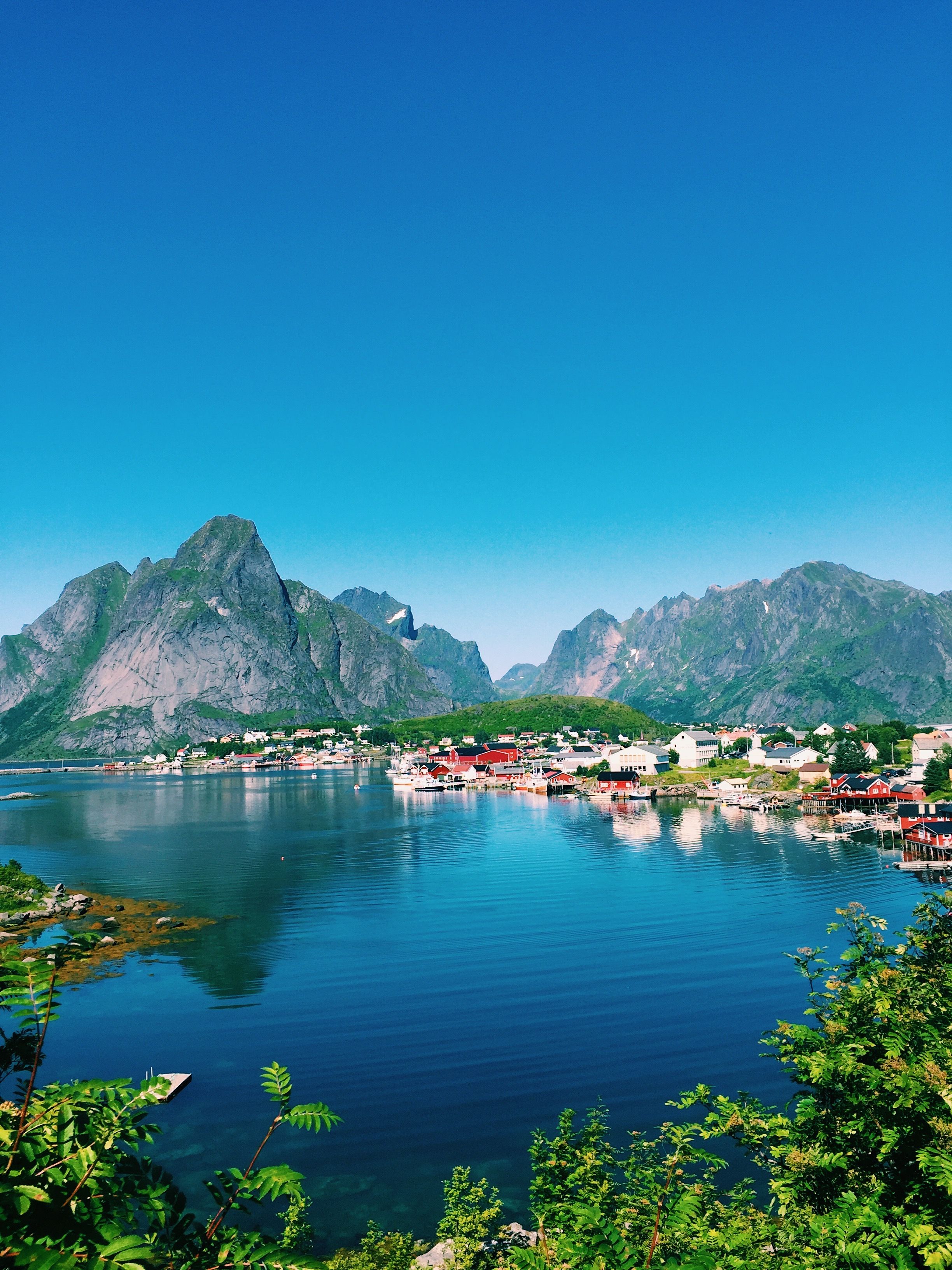
Lofoten Islands, Norway – 2 weeks trip and only 1.5 good day
Lofoten Islands, Norway: A 2-Week Winter Trip and How to Make the Most of Few Sunny Days
Overview
Exploring the Lofoten archipelago in late winter can be a test of patience and planning. A two-week visit during this period often means reflecting on weather patterns that bring wind, rain, and frequent cloud cover, punctuated by brief windows of clear skies. While this particular trip experienced many gray and blustery days and little fresh snow, there were still moments of exceptional beauty that made the journey worthwhile.
Weather and Seasonal Context
– Winter in Lofoten can bring variable conditions, with extended periods of wind and precipitation.
– Cloudy, rainy days are common, and fresh snowfall is not guaranteed during this season.
– However, clear days do occur, revealing dramatic landscapes and vibrant coastal scenery.
– The KP index, which measures geomagnetic activity, can be high on sunny days and can influence aurora visibility and night-time experiences.
Two-Week Experience in Retrospect
– Duration: A full two weeks to explore the islands, with selective emphasis on photography, hiking, and scenic drives.
– Weather pattern: Predominantly windy and overcast, with limited opportunities for clear, blue-sky days.
– Snow conditions: Absence of fresh snowfall during this period, affecting certain winter-specific activities and landscapes.
What Went Right on the Clear Days
– When the sun did appear, the Lofoten archipelago displayed its extraordinary beauty: steep mountains meeting rugged coastline, dramatic fjords, and turquoise Arctic waters.
– On these windows of opportunity, exploration proceeded rapidly to maximize exposure to favorable light and scenery.
– Clear days offered compelling photographic composition and rewarding, memorable experiences despite the shortened window of visibility.
Is a Trip to Lofoten Worth It?
– Yes. Even with fewer-than-expected sunny days, the archipelago’s dramatic terrain and pristine landscapes delivered meaningful travel moments.
– The respite of sunshine on brief occasions often stood out as the highlight of the trip, underscoring the value of adaptability and preparedness.
Tips for Planning a Winter Lofoten Visit
– Prioritize flexible itineraries: Build in buffer days and be ready to shift plans around favorable weather forecasts.
– Track local forecasts closely: Short windows of clear weather can change quickly, so stay updated.
– Optimize for photography on clear days: Identify potential light angles and locations in advance.
– Be prepared for winter conditions: Warm, waterproof layers, wind protection, and reliable gear are essential.
– Consider geomagnetic activity: On particularly clear nights, a higher KP index can enhance aurora viewing opportunities.
Bottom line
A winter voyage to the Lofoten Islands is a study in the value of resilience and adaptability. While favorable conditions may be fleeting, the region’s spectacular landscapes reward those who make the most of clear, sunlit moments. If you’re drawn to rugged beauty and dramatic coastlines, Lofoten remains a compelling destination—especially when you’re prepared to embrace whatever weather the Arctic spring delivers.