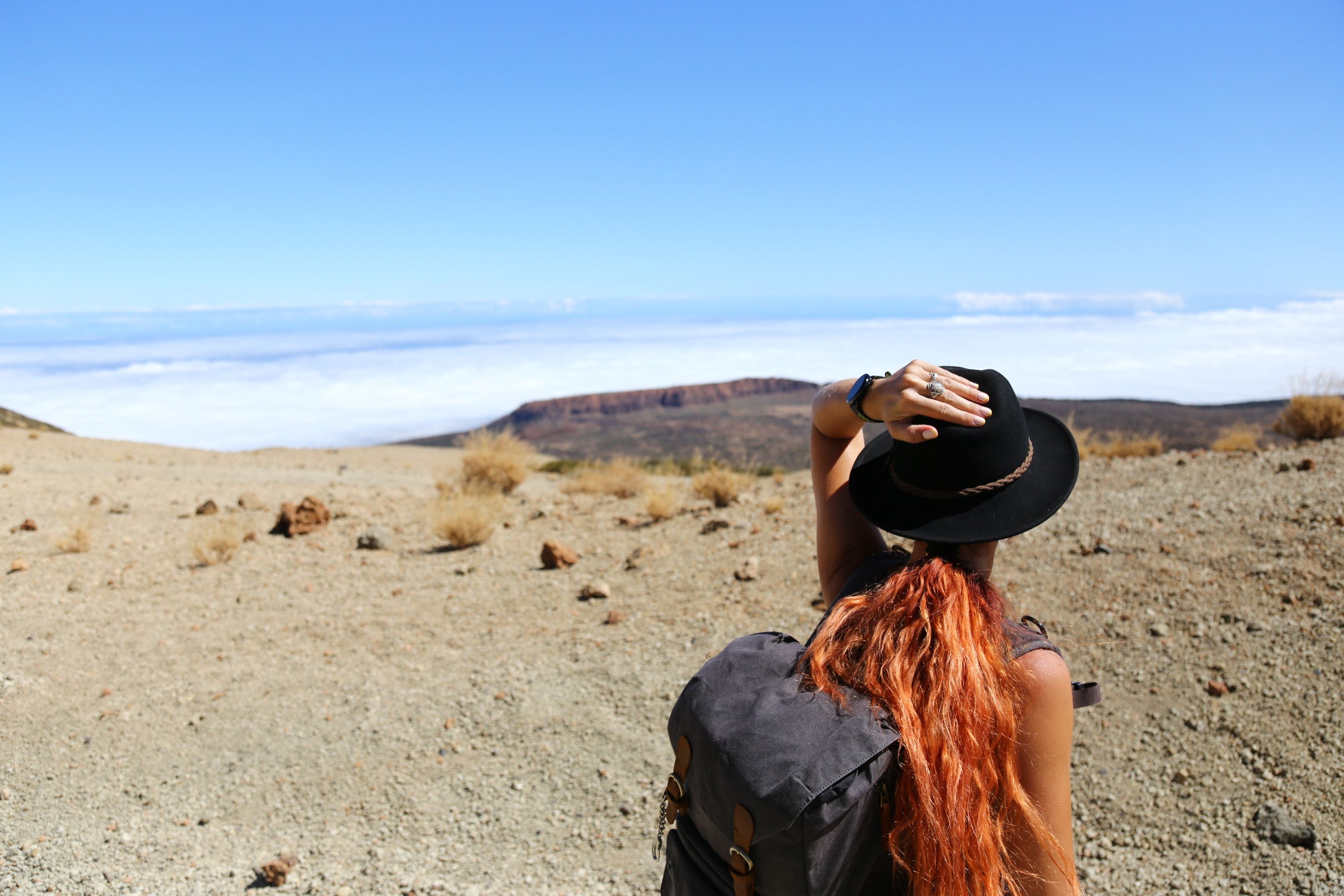
Suggestion regarding travelling with someone or Solo Travel
Title: Traveling with a Companion vs. Going Solo: Balancing Plans, Pace, and Preferences
Travel has a way of revealing our personal rhythms and priorities. Some travelers thrive when they’re joined by others, while others find their best experiences on their own. The tension between group dynamics and personal freedom can make planning and execution challenging, but it’s also a common learning curve for many explorers.
Common travel dynamics and the tensions they create
– Planning and decision-making: When traveling with others, disagreements over routes, activities, and pacing are almost inevitable. Some travelers end up taking on a “parenting” role, constantly directing maps, schedules, and directions. This can detract from the enjoyment and spontaneity of the trip.
– Perceptions of difficulty as a travel partner: When someone expresses a preference for structure or clear responsibilities, it can be misinterpreted as being difficult or controlling. Open communication about needs and boundaries is essential.
– Experience sharing: Friends or partners may reference past trips to validate their approach, which can unintentionally pressure current travelers to conform to a certain style.
– Skill diversity with navigation tools: Differences in how people use maps and apps can lead to friction. If one person frequently needs to assist others, it can shift the group dynamic and demand more energy from one traveler.
– Battery and tech fatigue: Constant navigation and heavy device use can drain mobile batteries quickly, adding stress to the journey.
– Food and energy management: Dietary habits and meal timing vary. Some travelers prioritize quick, cost-conscious options, while others believe regular meals are essential for energy and mood. Skipping meals can impact performance and enjoyment.
– Budget versus experience: Economic considerations influence decisions about meals, activities, and timing, sometimes leading to compromises that affect satisfaction.
Benefits and challenges of solo travel
– Pros: Complete control over itinerary, pacing, and photography. The flexibility to change plans on a whim, focus on personal interests, and avoid compromise.
– Cons: Missed opportunities for shared experiences, and the challenge of capturing moments without a travel companion.
Tips for smoother travel, whether solo or with others
– Set clear expectations early: Before departure, discuss priorities, pace, meal timing, and budget. Agree on how decisions will be made and who will handle navigation if traveling in a pair or group.
– Establish roles that suit the group: If traveling with others, designate responsibilities such as route planning, photo-taking, and meal planning. Rotate roles to share the load.
– Communicate boundaries kindly: If certain behaviors or routines are important to you, express them respectfully and listen to others’ needs as well.
– Use collaborative planning tools: Shared maps, itineraries, and notes can help align expectations without one person feeling overwhelmed.
– Plan for flexibility: Build time buffers for unexpected discoveries, delays, or preferred detours. This reduces stress and preserves enjoyment.
– Optimize your photo strategy: If solo, plan a few reliable photography moments (self-timed shots, drone if appropriate, or ask locals) and schedule one or two guaranteed photo opportunities with a travel partner.
– Manage energy and nutrition: Ensure regular meals or snacks to maintain mood and stamina. If traveling with others who may prioritize speed or economy, propose a compromise that keeps everyone comfortable.
– Prepare for tech limits: Carry spare power banks, keep essential apps updated, and have offline maps as a backup to reduce battery drain and anxiety.
Considering your experiences
– It’s common to feel that traveling with others can occasionally steal focus from enjoying the moment. It’s also common to worry about being perceived as difficult. The key is proactive communication and a willingness to adapt.
– If solo travel appeals to you because it preserves independence and reduces stress, that choice is valid. If photography is a concern, create a plan that allows you to capture moments without sacrificing your comfort or companions’ experience.
Inviting reflection: Have you found a balance that works?
– Do you prefer trips with a flexible structure, where planning is shared, but you retain control over key decisions?
– Have you tried rotating planning duties or setting “non-negotiables” (e.g., a daily photo stop, a favorite meal spot) to ensure personal enjoyment while traveling with others?
– For those who travel both solo and with others, what strategies have helped you maintain your pace and capture memories in both scenarios?
If you’re exploring travel options, consider starting with a trial of shared planning with defined roles, then gradually adjust based on what feels most enjoyable and sustainable for you. Whether you choose to travel solo or with company, the ultimate goal is to cultivate experiences that align with your interests, energy, and priorities.